

Benefits of Wearable Fitness Tech for Beginners
Table of Contents
- Why Wearable Fitness Tech Makes Sense for Beginners
- How to Use a Fitness Tracker: A Simple First-Week Plan
- Fitness Tracker Features to Look For as a Beginner
- Fitness Tracker Accuracy: What the Numbers Can and Cannot Tell You
- Downsides of Fitness Trackers and How to Avoid Them
- Tracking Sleep, Recovery, and Heart Rate Without Stress
- Conclusion: Start Small, Stay Consistent
- Frequently Asked Questions
Last Updated: October 15, 2026
Why Wearable Fitness Tech Makes Sense for Beginners
Starting a fitness routine is hard. Knowing whether it is actually working is harder. Benefits of wearable fitness tech for beginners come down to one thing: these devices turn invisible progress into numbers you can see, which makes it far easier to keep going when motivation dips.
At ShopVerse.life, we hear the same question from first-time buyers: is a fitness tracker worth it, or just another gadget that ends up in a drawer?
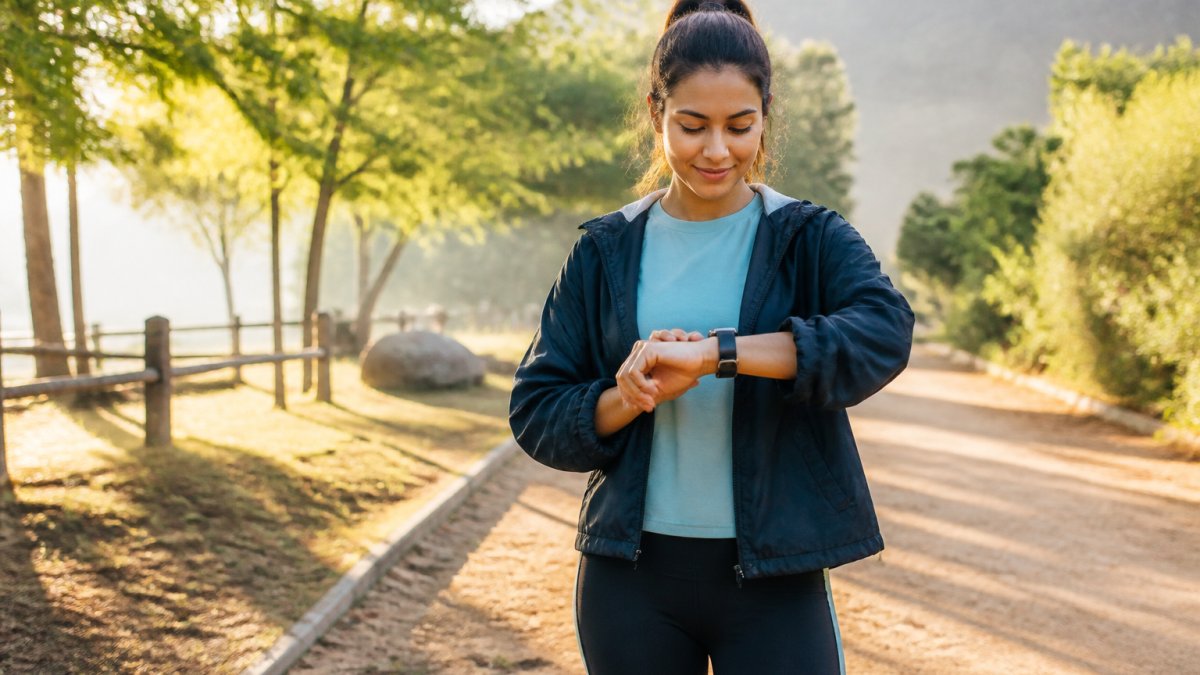
Walking is the most accessible entry point into an active lifestyle, and it requires almost no equipment beyond comfortable shoes and something to count your movement. The Physical Activity Guidelines for Americans recommend adults aim for at least 150 minutes of moderate-intensity aerobic activity each week, which breaks down to roughly 22 minutes a day. A tracker makes that target visible instead of abstract.
Five concrete benefits show up again and again for beginners:
- Daily steps become a game you can win. A step count turns "I should move more" into "I need 2,000 more steps today."
- Heart rate teaches you what effort feels like. Seeing your pulse rise during a brisk walk connects physical sensation to real data.
- Sleep tracking exposes patterns. Most beginners discover their "tired all day" feeling traces back to inconsistent bedtimes.
- Goals get specific. "Get fit" becomes "walk 8,000 steps, five days a week."
- Progress becomes proof. On low-motivation days, a streak of logged activity is often enough to get you out the door.
That last point matters more than any single metric. Exercise adherence, the ability to stick with a routine over months rather than days, is the hardest part of getting fit, and visible progress is one of the few things that reliably supports it.
How to Use a Fitness Tracker: A Simple First-Week Plan
The biggest mistake new owners make is trying to use every feature on day one. Most people who abandon a tracker do so because the dashboard overwhelms them, not because the device failed.
Here is how we would set up a fitness tracker for someone starting from zero. This plan takes about 15 minutes of setup and then runs on autopilot.
Before you start: charge the device fully, install the companion app, and pair the tracker over Bluetooth. Set your height, weight, and age in the app so calorie and heart rate estimates have a baseline.
- Day 1: Wear it, change nothing. Do not set goals. Just let the tracker record a normal day so you have an honest baseline.
- Day 2: Find your baseline step count. Check yesterday's number. That is your starting point, whether it is 2,500 or 7,000 steps.
- Day 3: Set one goal, slightly above baseline. Add roughly 1,000 steps to your baseline rather than jumping to a round number like 10,000.
- Day 4: Turn on movement reminders. Most trackers can nudge you when you have been still for an hour. This is the single most useful beginner feature.
- Day 5: Check your resting heart rate. Note the number without judging it. You will use it as a comparison point later.
- Day 6: Review your first sleep score. Look at your bedtime and wake time, not the score itself.
- Day 7: Pick your one metric for the month. Steps, active minutes, or sleep duration. Just one.
After week one, resist adding new goals for at least three weeks. Consistency with a single metric beats scattered attention across five.
Fitness Tracker Features to Look For as a Beginner
Shopping for a first tracker is where most beginners overspend. The features that matter for someone building a habit are not the ones marketers highlight.
Here is what actually earns its place on your wrist in the first year:
| Feature | Why It Matters for Beginners | Nice to Have? |
|---|---|---|
| Step and distance tracking | Core feedback loop for daily movement | Essential |
| Continuous heart rate | Shows effort level during walks and workouts | Essential |
| Sleep tracking | Reveals bedtime and wake-time patterns | Essential |
| Waterproof rating | Lets you wear it in the shower or pool | Essential |
| Movement reminders | Nudges you to break up long sitting stretches | High value |
| Bluetooth calling | Keeps you reachable without your phone | Optional |
| Blood oxygen monitoring | Adds a general wellness data point | Optional |
| GPS tracking | Maps outdoor routes without your phone | Optional |
A few devices from our own collection illustrate how these features land at different price points. The LIGE Smart Bracelet at $59.10 covers the essentials: step, distance, and calorie tracking, heart rate and blood oxygen readings, sleep analysis, and a waterproof build for everyday wear. The ZL02CPRO Smart Watch at $47.98 adds Bluetooth calling and an IP67 water-resistance rating, which suits beginners who want to stay reachable mid-workout.


If style matters as much as function, the MEVADEN H33 at $68.86 pairs an 8.5mm stainless steel case with continuous heart rate monitoring, sleep analysis, and blood pressure measurement on a 1.43-inch AMOLED screen. And for buyers who want the widest feature set, the New Watch 5 at $52.02 offers a 2.01-inch HD AMOLED display, over 100 sport modes, Bluetooth calling, and an AI voice assistant.

The pattern worth noticing: none of these require you to spend like a professional athlete. A beginner-friendly tracker is a low-cost tool, and the features that drive habit formation are present on every model above.
Fitness Tracker Accuracy: What the Numbers Can and Cannot Tell You
Fitness tracker accuracy is good enough for trends and poor enough that you should never treat a single reading as medical fact. That distinction is the most important thing a beginner can learn.
Step counts from wrist-worn devices tend to track reasonably well for walking and running, though they can undercount when your hands are occupied, such as pushing a stroller or carrying groceries.
Where trackers struggle most is in estimates rather than measurements. Calorie burn is calculated from your heart rate, movement, and the profile you entered, which makes it an educated estimate rather than a precise figure. Sleep stages are inferred from movement and heart rate patterns, so a tracker can tell you when you were still and restless, but it cannot read your brainwaves.
The FDA guidance on general wellness products explains that consumer wellness devices are not diagnostic tools, which is exactly the right frame. Use your tracker to spot trends, compare this week to last week, and notice when something changes. Do not use it to diagnose yourself or to overrule how you actually feel.
Do not chase a perfect sleep score or an exact calorie number. Chasing precision you cannot get leads to frustration, and frustration is what makes people quit wearing the device altogether. ::: Focusing instead on how your body feels during movement allows you to integrate other supportive habits like wearing compression gear to enhance your overall comfort and recovery.
LIGE Smart Bracelet Women Smartwatch Men Heart Rate Blood Oxygen Waterproof →
Downsides of Fitness Trackers and How to Avoid Them
The downsides of fitness trackers are real, and ignoring them is why so many devices end up unused after two months. The problems are rarely technical. They are behavioral.
Overtracking. When every metric becomes a target, rest days feel like failures. Fix: schedule one day per week where you do not check the app at all.
Notification overload. Constant buzzes from calls, messages, and step reminders turn a health tool into a distraction. Fix: turn off everything except movement reminders for the first month.
Comparison traps. Community leaderboards can motivate or demoralize, depending on the day. Fix: hide social features until you have a stable routine.
Skin irritation and discomfort. Wearing a band too tight, especially overnight, causes irritation for many people. Fix: loosen the strap by one notch and clean the band weekly.
Privacy concerns. Health data is sensitive, and where it goes depends on the app's settings. Fix: review the privacy settings in your companion app and disable data sharing you did not ask for. The FTC guidance on health data privacy is a useful starting point for understanding what companies can do with the information they collect.
None of these are reasons to skip a tracker. They are reasons to set it up deliberately rather than accepting every default.
Tracking Sleep, Recovery, and Heart Rate Without Stress
Sleep tracking and heart rate monitoring are the two features beginners find most valuable, and also the two most likely to cause unnecessary anxiety. The fix is knowing which numbers to watch and which to ignore.
Sleep quality data is most useful as a pattern, not a nightly grade. If your tracker shows you consistently fall asleep after midnight and wake at 6 a.m., that is actionable information. A single bad night's score is not.
Resting heart rate is the metric to watch over time. It is measured when you are still, usually overnight or first thing in the morning, and it tends to drop gradually as cardiovascular fitness improves.
Heart rate zones give structure to workout intensity. Most apps divide your range into zones from light activity up to maximum effort. For a beginner, the practical takeaway is simple: most walking and easy cardio should keep you in the lower zones, where you can still hold a conversation.
Recovery tracking pulls these signals together. If your resting heart rate is elevated and your sleep was short, a hard workout that day is probably a bad idea. That is the whole framework, and it does not require a spreadsheet.
Conclusion: Start Small, Stay Consistent
The hardest part of getting fit is not the workout. It is the third week, when the novelty has worn off and the couch looks better than the walking path. A wearable does not solve that problem on its own, but it makes the decision easier by showing you what you have already built.
At ShopVerse.life, we stock beginner-friendly trackers that cover the features that matter without the price tag of a professional-grade device. Every order includes 24/7 online support, 100% secure payment, and our money-back guarantee, so trying a tracker carries no real risk. Browse our wellness and electronics collection, pick a device that matches the one metric you care about, and give it four weeks before you judge the results.
Frequently Asked Questions
What are the downsides of wearing a fitness tracker?
Fitness trackers can encourage overtracking, where you obsess over every step or calorie instead of enjoying movement. Some people find the constant notifications distracting, and inaccurate calorie or sleep readings can be misleading. Battery life and comfort during sleep are other common complaints. The key is to use your tracker as a guide, not a judge. Set realistic goals, take rest days without guilt, and remember that how you feel matters more than any single metric on your wrist.
How accurate are fitness trackers for steps and calories?
Step counts on most wearable fitness tech are fairly reliable for walking and running, though arm movements like pushing a cart can add extra steps. Calorie estimates are less precise because they rely on heart rate and generic formulas rather than your exact metabolism. Heart rate readings during steady cardio are usually close, but they can lag during quick interval workouts. Use the trends over weeks rather than fixating on any single day's numbers.
What should a beginner look for in a fitness tracker?
Start with comfort, battery life, and the metrics you will actually check. Step tracking, heart rate, and sleep monitoring cover most beginner needs. Water resistance matters if you sweat heavily or swim. A clear screen and simple app make daily use easier. Brands like the LIGE Smart Bracelet or the New Watch 5 Smart Watch offer heart rate, blood oxygen, and sleep tracking at accessible prices, making them solid starting points before you invest in a higher-end model.
Getting started is the easy part. Staying with it is where most people stall, and that is exactly where the right device earns its keep. ShopVerse.life offers curated, top-rated fitness trackers with fast shipping and a money-back guarantee, so you can find a model that fits your routine instead of fighting it. Visit ShopVerse.life to compare options and start tracking tomorrow morning.