

Brookstone vs Zulily: Home Products Comparison
Table of Contents
- Brookstone vs Zulily: What Shoppers Need to Know in 2026
- Current Company Status and Shopping Availability
- Product Selection: Home Goods, Bedding, and Kitchen Items Compared
- Home Product Shipping and Return Policies at Both Retailers
- Price, Value, and Deals: Which Retailer Offers Better Savings
- Zulily Alternatives for Home Goods Shoppers
- How to Shop Safely Online for Home Products
- Conclusion: Choosing the Right Retailer for Your Home
- Frequently Asked Questions
Last Updated: October 16, 2026
Brookstone vs Zulily: What Shoppers Need to Know in 2026
Comparing Brookstone vs Zulily for home products means weighing two very different retail models: Brookstone is a specialty retailer built around gadgets and practical home goods, while Zulily was a flash-sale marketplace known for rotating discounts across bedding, kitchen items, and household upgrades. This guide from ShopVerse.life breaks down selection, shipping, returns, pricing, and current availability so you can decide where your money goes. Below, we show you exactly how the two retailers differ, and which one fits the way you actually shop.
The most important thing to understand before you compare product ratings or hunt for deals is that these two retailers are not operating on equal footing in 2026. One is a specialty brand with its own designed product line. The other spent years as a discount marketplace before its ownership changed hands.
That difference shapes everything: product quality, customer experience, and how easy it is to get a refund if something arrives damaged.
Current Company Status and Shopping Availability
Current company status is the first thing to verify in any Brookstone vs Zulily comparison, because a retailer's ownership and operating model determine whether you can buy an item, return it, or claim a warranty.
Brookstone. Brookstone has changed ownership several times over the past decade.
Zulily. Zulily's situation is different and more consequential. The flash-sale marketplace went through a high-profile wind-down after its parent company's collapse, and shoppers who had pending orders or open returns reported difficulty getting resolutions during and after that period.
What this means for a side-by-side comparison. The two retailers are not operating on equal footing. One is a specialty brand with its own designed product line and a continuing online presence.
A practical status check before you buy from either name:
- Does the site publish a physical business address and a working customer-service contact?
- Is the checkout operated by the brand itself or by an unfamiliar third party?
- Are shipping and return terms stated on the site, not only in an email after purchase?
- Do recent reviews reference orders that were actually delivered?
- If the brand changed hands, which entity is responsible for honoring warranties on older purchases?
Federal Trade Commission guidance on online shopping and refund rights
Product Selection: Home Goods, Bedding, and Kitchen Items Compared
Product selection is where the two retailers diverge most sharply. Brookstone leans toward a curated mix of home gadgets, small appliances, and practical household upgrades. Zulily historically carried a much broader, rotating catalog spanning bedding, kitchen tools, storage bins, and apparel.
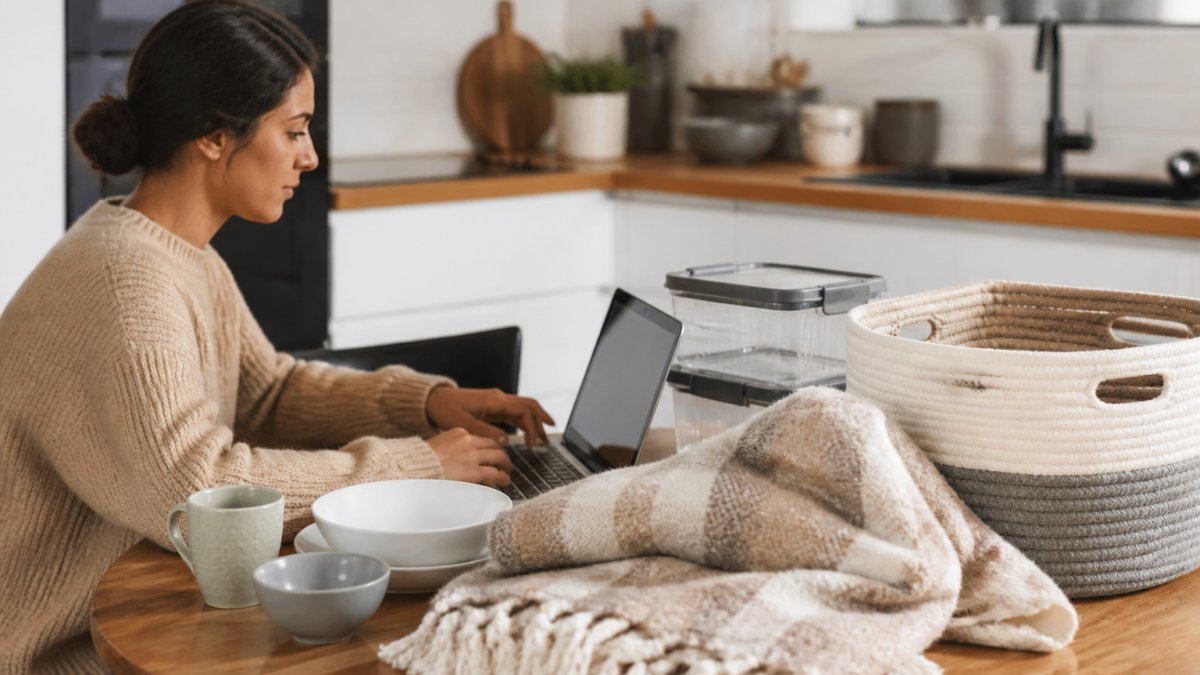
For bedding specifically, Zulily's model meant constant variety: down alternative comforters, sheet sets, and decorative pillows appeared in limited-time events. The trade-off was inconsistency. A bedding line you loved might never restock.
Brookstone's home and kitchen range is narrower but more stable. You are more likely to find the same item available next month, which matters if you want to replace a worn-out piece or match an existing set.
| Category | Brookstone | Zulily (historical model) |
|---|---|---|
| Bedding and bedroom | Limited, stable assortment | Broad, rotating flash sales |
| Kitchen and appliances | Focused gadget range | Wide but inconsistent |
| Storage and household | Practical, curated picks | High variety, fast turnover |
| Restock reliability | Higher | Lower |
| Best for | Repeat buyers, matching sets | Browsers hunting variety |
Home Product Shipping and Return Policies at Both Retailers
Home product shipping and return policies are the deciding factor for large or fragile items, and they are where flash-sale models tend to disappoint. Bulky goods like storage furniture or appliance bundles cost more to ship and are harder to return than a phone case.
With a specialty retailer, shipping terms are usually stated upfront at checkout, and returns follow a published window. You generally know the cost before you commit.
With a flash-sale marketplace, shipping could be slower because items often ship from multiple third-party sellers. Returns sometimes required contacting the individual seller, which added friction.
A few things to verify before buying any home product online:
- Is the return window stated clearly at checkout?
- Who pays return shipping for a damaged or defective item?
- Is there a warranty, and who honors it?
- Does the item ship from the retailer or a third party?
- Are oversized items excluded from free returns?
Consumer advice on returns and warranties from the Consumer Financial Protection Bureau
Price, Value, and Deals: Which Retailer Offers Better Savings
Price and value are not the same thing, and home goods make that distinction obvious.
How each model prices.
Zulily's entire pitch was discounts and rotating deals. Prices moved with limited-time events, and the same category, say, a down-alternative comforter or a set of kitchen utensils, could appear at very different prices from one week to the next depending on the event and the third-party seller behind it.
Brookstone's value proposition runs the other way. You generally pay closer to full price, but you get a defined product with a traceable warranty and a retailer that stands behind it.
The costs that decide the comparison. Sticker price is only the first line. The lines that flip the math are:
- Return shipping. On bulky home goods, storage furniture, appliance bundles, large bedding sets, return shipping can approach or exceed the original discount. A flash-sale item that saves you a modest amount up front can cost more than full price if you have to ship it back.
- Warranty coverage. A defined warranty from a continuing retailer is a recoverable cost. A warranty tied to a marketplace that has wound down is effectively zero, which means a failure becomes a full replacement purchase.
- Restock and matching. If you need a second comforter to match the first, a rotating catalog works against you. Paying slightly more for stable inventory avoids a forced redesign of the room.
- Time. Chasing a rotating deal costs browsing time and the risk of buying the wrong variant under event pressure.
A decision rule that holds up. Compare the two retailers on total cost, not headline discount:
- Estimate the item price plus shipping at each retailer.
- Add the realistic probability of a return, multiplied by the return-shipping cost.
- Subtract the value of the warranty you can actually enforce.
- If the flash-sale option still wins after those three steps, take the discount. If it does not, the specialty retailer is the cheaper choice in practice.
Where this gets interesting is the middle ground. Value-conscious shoppers increasingly skip both extremes and buy from curated retailers that combine a stable catalog with transparent policies, a model that trades the deepest one-time discount for predictable pricing and a return path that works.
Zulily Alternatives for Home Goods Shoppers
Zulily alternatives for home goods fall into three broad groups, and knowing which one fits your habits saves time. The first is large general marketplaces, which offer huge selection but variable seller quality. The second is specialty home retailers, which offer depth in one category. The third is curated multi-category retailers that vet products before listing them.
At ShopVerse.life, we built our catalog around that third model. We curate home and kitchen essentials, electronics, and wellness products, then back them with secure payments, fast shipping, and a money-back guarantee. The goal is simple: you should not have to gamble on whether a listing is legitimate.
For shoppers burned by a marketplace wind-down, the appeal of a curated retailer is predictability. You know who is selling, who ships, and who handles the return.
When evaluating any alternative, ask three questions:
- Does the retailer publish clear shipping and return terms?
- Is there a money-back guarantee, and what does it cover?
- Can you reach real support, not just a chatbot loop?
Better Business Bureau guidance on checking an online retailer before you buy
How to Shop Safely Online for Home Products
Shopping safely online for home products comes down to verifying the seller, the payment method, and the terms before you commit. Most problems shoppers report trace back to skipping one of those three checks.
Start with the seller. Confirm the business has a real presence, published contact information, and reviews you can trace to actual purchases.
Then check payment security. A legitimate retailer uses encrypted checkout and recognized payment processors. If a site asks you to wire money or pay outside its normal checkout, walk away.
Finally, read the terms. Return windows, warranty coverage, and shipping costs should be visible before you enter card details.
A simple pre-purchase checklist:
- Seller identity and contact info are clear
- Checkout uses secure, recognized payment processing
- Return and refund policy is published
- Warranty terms are stated for the specific item
- Reviews reference real, verifiable purchases
Conclusion: Choosing the Right Retailer for Your Home
The right retailer for your home depends on what you value most. If you want the deepest rotating discounts and do not mind inconsistent restocks, a flash-sale model can work. If you want defined products with traceable warranties, a specialty retailer fits better.
For most households managing everyday needs, the safer path is a curated retailer that combines stable inventory, secure payment, and a real return policy. That is exactly what we offer at ShopVerse.life: curated premium picks, 24/7 online support, 100% secure payment, and a money-back guarantee.
Get started with ShopVerse.life and upgrade your home with products you can actually trust.
Frequently Asked Questions
How does Brookstone compare with Zulily for home products?
Brookstone focuses on electronics, gadgets, and select home items like massage chairs and bedding, while Zulily historically offered flash-sale deals on apparel, home decor, and kitchen goods. Both retailers have faced ownership changes and availability disruptions in recent years. Before buying, check each site's current inventory, shipping timelines, and return windows, since policies can shift with new ownership. For a more predictable experience, compare product ratings, customer reviews, and warranty terms across retailers.
What should I check before buying home products from an online marketplace?
Start with the return window and who pays return shipping. Confirm the warranty length and whether it is manufacturer-backed or retailer-only. Check product ratings and customer reviews for durability and finish issues. Verify shipping costs and estimated delivery dates before checkout. Look for a secure checkout with SSL encryption and a recognizable payment processor. If a price seems far below market, the item may be refurbished, counterfeit, or misrepresented. Reading the fine print on restocking fees and final-sale items saves headaches later.
How can I compare shipping and return policies before ordering?
Open each retailer's shipping and returns pages side by side. Note the free-shipping threshold, standard delivery window, and whether expedited options exist. For returns, find the window length, condition requirements, restocking fees, and who covers return postage. Some retailers offer free returns in-store or via prepaid labels; others charge a flat fee. If the policy is vague or hidden, treat that as a warning sign. Screenshot the policy before purchase in case terms change.
How can I tell whether an online home product listing is reliable?
Reliable listings include multiple high-resolution photos from different angles, specific material and dimension details, and a clear return policy. Check for a physical business address and a working customer service phone number. Read the lowest-rated reviews first; they often reveal pattern issues like poor packaging or misleading color. Cross-check the product name and model number against the manufacturer's site to confirm authenticity. If the listing uses only stock photos and vague descriptions, proceed with caution.