

Essential Wellness Products for Daily Energy
Table of Contents
- Why Daily Energy Matters: The Wellness Economy Reality
- Best Vitamins for Energy and Focus
- Adaptogens and Herbal Support for Sustained Energy
- How to Improve Daily Energy Levels Through Nutrition
- Wellness Gadgets for Stress Management and Energy Recovery
- Energy-Depleting Habits to Eliminate
- Personalizing Your Energy Wellness Strategy
- Conclusion
Last Updated: August 19, 2026
Why Daily Energy Matters: The Wellness Economy Reality
The wellness economy is a defining force in how people invest in their health. The U.S. wellness economy is valued at approximately $2 trillion, with the health and wellness market reaching $993.5 billion in 2025, anticipated to grow to $1,609.9 billion by 2034. For busy professionals and parents, sustainable energy is foundational, not optional.
Most people chase quick fixes: energy drinks spiked with caffeine, sugar crashes, or relying on willpower when the body is running on empty. According to research from the Council for Responsible Nutrition (2026), approximately 75% of U.S. adults use dietary supplements, yet the gap remains between those who understand what drives sustained energy and those still trapped in the quick-fix cycle.
At ShopVerse.life, we've identified three interconnected elements that separate people with steady energy from those experiencing constant fatigue: targeted micronutrients supporting cellular function, lifestyle habits that either drain or preserve energy, and recovery tools allowing your body to rebuild. Below, we'll show you how to build an energy strategy backed by the science of ATP production, the fundamental currency of cellular energy.
Best Vitamins for Energy and Focus
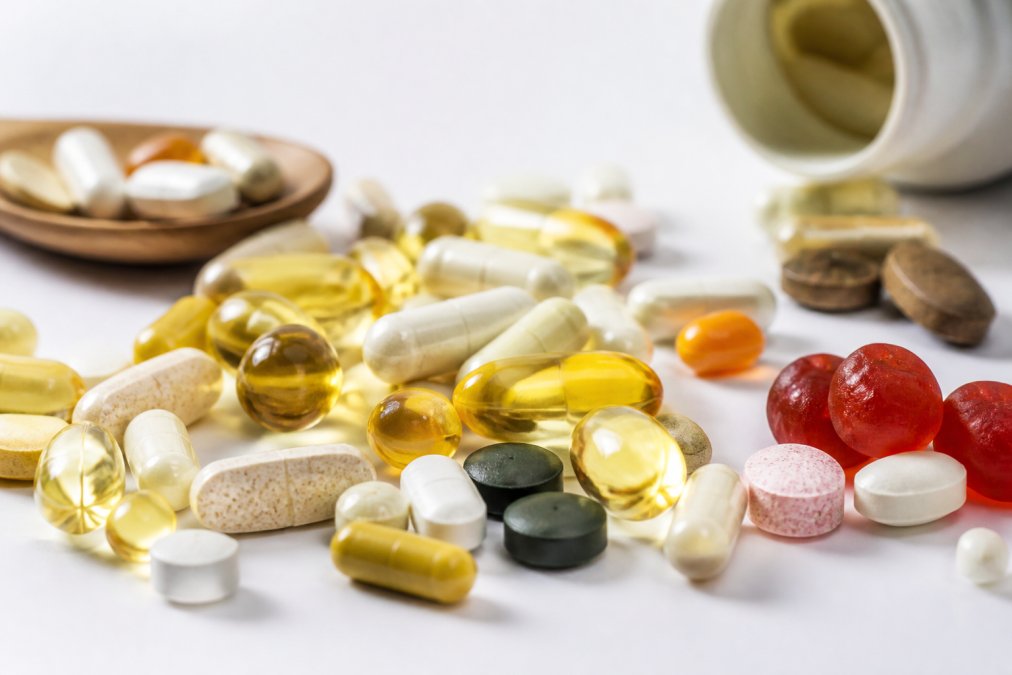
The right vitamins enhance your body's ability to convert food into usable energy. The most impactful vitamins fall into two categories: those directly involved in ATP production and those supporting the metabolic pathways that make ATP possible.
B-Vitamins and Cellular Energy Production
B-vitamins are the workhorses of cellular energy. B1 (thiamine), B2 (riboflavin), B3 (niacin), B5 (pantothenic acid), and B12 are essential cofactors in metabolic pathways that generate ATP. Deficiency in any B-vitamin creates a bottleneck in energy production, you could eat plenty of calories, but without adequate B-vitamins, your cells can't efficiently convert them into usable energy. According to research on supplement usage patterns, 18.2% of users specifically seek energy support (Nutrition Business Journal, 2025).
The critical issue is bioavailability. Cyanocobalamin (the cheap form of B12) requires specific stomach acid conditions to convert to active form, while methylcobalamin bypasses this step. Similarly, pyridoxal-5-phosphate is the active form of B6, while pyridoxine hydrochloride requires liver conversion.
For sustained energy, seek B-complex supplements with active forms or consume B-vitamin-rich foods consistently: grass-fed beef, wild-caught salmon, eggs, and nutritional yeast. Since B-vitamins are water-soluble and your body doesn't store them, daily intake is necessary.
Magnesium's Role in Metabolism
Magnesium is involved in over 300 enzymatic reactions, including every step of ATP production. Without adequate magnesium, your mitochondria cannot efficiently generate the energy your body needs. Stress increases magnesium excretion through urine, intense exercise depletes stores, and modern agriculture has reduced soil magnesium content. Most people fall short of the recommended 400-420 mg daily for men and 310-320 mg for women.
Magnesium's role extends beyond energy production, it regulates cortisol and supports sleep quality, both critical for energy sustainability. Poor sleep depletes energy reserves more than almost anything else. Supplementing magnesium in the evening improves sleep quality, allowing your body to recover and rebuild energy stores overnight.
The form matters significantly. Magnesium glycinate is highly bioavailable and gentle on digestion. Magnesium threonate crosses the blood-brain barrier, supporting cognitive energy. Magnesium malate supports muscle energy production. Choose based on your primary need.
Vitamin D and Cellular Function
Vitamin D operates as both a vitamin and hormone, regulating calcium absorption, supporting immune function, and influencing mitochondrial efficiency. Deficiency is associated with fatigue, depression, and reduced physical stamina. Most people don't get sufficient sun exposure to generate adequate vitamin D naturally, and dietary sources are limited.
Vitamin D supplementation shows measurable effects on energy and mood. People with adequate vitamin D levels (30-50 ng/mL) report higher energy and better mood regulation than those with deficiency. The practical recommendation is 1,000-4,000 IU daily depending on baseline levels, which you can assess through bloodwork.
Adaptogens and Herbal Support for Sustained Energy
Adaptogens help your body manage stress and maintain energy homeostasis. Unlike stimulants that force energy production through caffeine, adaptogens support your body's natural stress response and energy regulation systems. The energy supplement market was valued at $45.5 billion in 2025 and is projected to reach $75.4 billion by 2036 (Future Market Insights, Inc., 2026), with the fastest-growing segment being functional energy supplements combining adaptogens, vitamins, and other ingredients for sustained energy.
Panax ginseng supports mental clarity, reduces fatigue, and improves physical stamina without caffeine crashes. Ashwagandha reduces stress-related cortisol elevation, directly impacting energy sustainability. Rhodiola rosea enhances cognitive performance and reduces mental fatigue in people under sustained stress.

Adaptogens work best as part of a consistent routine, not occasional supplements. Your body's stress response system adapts over weeks, not days. Taking ashwagandha sporadically won't noticeably improve energy, but daily use for 4-6 weeks will. ShopVerse.life offers the Extra Strength Male Supplement with Panax Ginseng Ashwagandha Gingko Tribulus Extract for Energy, Stamina, & Boosting Blood Flow ($118.22), combining multiple adaptogens with gingko for cognitive blood flow and mental clarity.
How to Improve Daily Energy Levels Through Nutrition
Sustainable energy starts with nutrition fundamentals. Your body generates ATP from carbohydrates, fats, and proteins. The quality and timing of these macronutrients directly impact energy stability throughout the day.
Complex carbohydrates release glucose gradually, providing sustained energy. Simple carbohydrates and refined sugars cause rapid blood glucose spikes followed by crashes, depleting energy reserves. Protein supports sustained energy by slowing glucose absorption and providing amino acids for muscle repair and neurotransmitter synthesis. Include protein at every meal for dramatic energy consistency improvement.
Healthy fats, omega-3 fatty acids from salmon and walnuts, monounsaturated fats from olive oil and avocados, support mitochondrial function and reduce systemic inflammation that taxes energy production.
Bioavailability and Nutrient Absorption
Most nutrition advice focuses on what you eat, not what your body actually absorbs. A supplement can contain the right nutrients, but if your digestive system can't extract and absorb them, they're worthless. Nutrient absorption depends on stomach acid production, bile availability, intestinal permeability, and cofactors enabling absorption. Vitamin D requires dietary fat for absorption; iron absorption is enhanced by vitamin C and inhibited by calcium and caffeine.
Assess your digestive health first. Do you have adequate stomach acid? Are you experiencing bloating, gas, or incomplete digestion? These signal absorption issues that supplementation alone won't fix. Addressing digestive function through digestive enzymes, adequate hydration, and sometimes professional guidance often yields more energy improvement than adding more supplements.
Synergistic Nutrient Pairings That Work
Magnesium and vitamin D work synergistically, vitamin D supports magnesium absorption, and magnesium enables vitamin D activation. B-vitamins work together in metabolic pathways; taking isolated B12 without adequate B6 and B9 creates imbalances that reduce effectiveness.
Creatine monohydrate pairs effectively with carbohydrates and protein. Creatine helps muscles generate ATP more efficiently, but requires adequate carbohydrate intake to be transported into muscle cells. The Creatine Monohydrate Gummies - Boost Energy, Build Muscle Mass, and Improve Athletic Performance ($86.56) are taken with meals rather than on an empty stomach.

L-arginine supports nitric oxide production and blood flow, working synergistically with citrulline and antioxidants. The L Arginine 3000mg Capsules - 120 Capsules Nitric Oxide Supplement for Sport, Muscle and Energy ($54.92) support enhanced circulation, directly improving oxygen and nutrient delivery to muscles and brain.
Wellness Gadgets for Stress Management and Energy Recovery
Energy recovery happens during rest, not activity. Your body rebuilds energy reserves during sleep and deliberate recovery practices. Wellness gadgets designed for stress management and recovery directly impact your energy capacity the following day.

Sleep quality is foundational. A Wake Up Light Sunrise Alarm Clock White Noise Sound Machine Bluetooth Speaker Color Changing Night Lights for Bedroom ($51.54) helps you fall asleep with white noise and wakes you gradually with simulated sunrise rather than jarring alarms, protecting your circadian rhythm and reducing cortisol spikes.

The 30cm Yoga Column Foam Fitness Muscle Training Pilates Sports Massage Foam Roller ($28.34) reduces muscle tension and improves circulation. Muscle tension restricts blood flow and triggers low-level stress responses that drain energy. Daily foam rolling noticeably increases energy the following day.
The COOSPO HW9 HRM Sensor Armband Heart Rate Monitor with HR Zones/Calories for Fitness Running ($67.04) prevents overtraining, a common energy killer. Many people experience constant fatigue because they're chronically overtraining without realizing it.
Poor posture compresses your lungs, reducing oxygen intake. The Posture Corrector Back Brace Adjustable Back Support for Women and Men ($64.48) guides your spine into alignment, improving oxygen intake and supporting sustained energy throughout the workday.
Energy-Depleting Habits to Eliminate
Most people focus on what to add rather than what to remove. Eliminating energy-draining habits often produces faster results than adding supplements.
Chronic stress exhausts your adrenal system, depletes magnesium, disrupts sleep, and directly reduces ATP production. Stress management through meditation or deliberate recovery is more impactful than most supplements.
Poor sleep impairs glucose metabolism, increases inflammation, and reduces mitochondrial efficiency. A single night of poor sleep can reduce energy for 2-3 days. Prioritizing 7-9 hours nightly outweighs almost any supplement.
Dehydration silently depletes energy by reducing blood volume and forcing your heart to work harder. Drinking adequate water, half your body weight in ounces as a baseline, provides immediate energy improvement.
Excessive caffeine creates a vicious cycle. High intake increases cortisol and depletes magnesium, reducing natural energy production. Reducing caffeine to 100-200 mg daily often paradoxically increases sustained energy within 2-3 weeks as your body's natural systems recover.
Sedentary behavior reduces mitochondrial density and ATP production capacity. Regular movement, even light activity like walking, increases mitochondrial function and improves energy.
Personalizing Your Energy Wellness Strategy
Generic supplement recommendations fail because individual needs vary dramatically. Start with assessment: What specifically depletes your energy? Is it mental fatigue, physical exhaustion, afternoon crashes, or morning sluggishness? Each pattern points to different root causes.
Consider your lifestyle constraints. If you're a busy professional with limited time, recovery gadgets and sleep optimization matter more than complex supplement stacking. If you're an athlete, nutrient absorption and performance-specific supplementation become more important.
Assess your baseline through bloodwork revealing specific deficiencies. Build incrementally, adding one intervention at a time and assessing results over 3-4 weeks. Track patterns by noting your energy level (1-10) daily along with sleep hours, stress level, and exercise, this reveals patterns that generic advice misses.
Conclusion
Sustainable energy isn't about finding the perfect supplement or gadget. It's about understanding how your body produces and sustains ATP, addressing the specific deficiencies and habits that drain your reserves, and building a personalized strategy that fits your actual life. Consumers with a strategic wellness approach report higher sustained energy than those using random supplements.
ShopVerse.life has curated evidence-based supplements and recovery tools specifically designed to address the mechanisms that drive sustained energy: mitochondrial support through targeted micronutrients, recovery tools that enhance sleep and reduce stress, and performance monitoring that prevents overtraining. Start with foundational elements, magnesium, B-vitamins, vitamin D, and consistent sleep, then layer in adaptogens and recovery tools based on your specific energy patterns. The Council for Responsible Nutrition emphasizes that supplement efficacy depends on quality, form, and consistent use, all factors ShopVerse.life prioritizes in product selection. Build your personalized energy strategy with products you can trust, and experience the sustained vitality that comes from addressing the actual mechanisms that drive daily energy.
Frequently Asked Questions
What is the best supplement for all-day energy?
The best supplement depends on your specific deficiency, but B-vitamins, magnesium, and iron are foundational for cellular energy production. Adaptogens like ashwagandha and panax ginseng support sustained energy without the crash associated with high-caffeine products. According to the Nutrition Business Journal, fitness and energy rank as the top supplement use case at 18.2%, with consumers increasingly seeking formulations that combine multiple micronutrients for synergistic effect rather than relying on single-ingredient products.
How can I boost my daily energy levels naturally?
Combine three strategies: first, address nutrient deficiencies through food or bioavailable supplements; second, optimize sleep quality using tools like sunrise alarm clocks that regulate circadian rhythm; third, eliminate energy-depleting habits like irregular meal timing and chronic stress. The Council for Responsible Nutrition reports that 75% of U.S. adults use dietary supplements, indicating widespread adoption of this multi-pronged approach. Focus on nutrient absorption by pairing iron with vitamin C and taking magnesium with food to enhance bioavailability.
Are wellness gadgets effective for managing daily fatigue?
Yes, when used strategically. Wearable heart rate monitors help you understand your exertion levels and recovery needs, preventing overtraining that depletes energy. Sleep-optimization tools like light therapy alarm clocks improve circadian alignment, which directly impacts energy. Posture correctors reduce physical strain and the fatigue that follows poor positioning during work. Case studies show that companies implementing comprehensive wellness programs, including both supplements and recovery gadgets, achieve 86% employee participation and measurable improvements in reported energy levels.
What should I look for in energy-boosting wellness products?
Prioritize bioavailability over ingredient count. Look for supplements that combine synergistic nutrients, like products pairing magnesium with B-vitamins for metabolism support. Check for clinical efficacy data and third-party testing. Avoid products with excessive caffeine (over 200mg per serving) unless you specifically want stimulation rather than sustained cellular energy. For gadgets, choose items addressing root causes, sleep quality, stress response, or movement recovery, rather than quick fixes. ShopVerse.life curates products meeting these standards, offering options from creatine monohydrate gummies ($86.56) to posture correctors ($64.48) that support different energy-building strategies.
This article was written using GrandRanker