

How to Avoid Low Quality Imports: A Buyer's Guide
Table of Contents
- Why Low Quality Imports Happen and What It Costs
- Building a Supplier Vetting Checklist
- How to Write a Product Specification Sheet
- How to Request Product Samples from Suppliers
- Implementing Third-Party Quality Inspection Services
- Common Import Mistakes and How to Prevent Them
- Post-Import Quality Failure Resolution
- Conclusion
Last Updated: August 14, 2026
Why Low Quality Imports Happen and What It Costs
Low quality imports stem from a disconnect between buyer specifications and supplier delivery. Suppliers in competitive markets face pressure to underbid competitors, often translating into shortcuts: cheaper materials, skipped quality checks, or cut corners on unspecified requirements. When buyers haven't documented exact requirements, suppliers interpret ambiguity as permission to optimize for their own margins.
The cost extends far beyond purchase price. Defective electronics mean customer returns, refund processing, and damaged reputation. Substandard home goods create liability exposure. Wellness products that don't meet safety standards invite regulatory scrutiny. The real expense is the cascade of problems that follow.
ShopVerse.life prioritizes supplier vetting and pre-shipment quality assurance before products reach your home. Whether sourcing for personal use or managing inventory, the principle remains: verification beats trust, documentation beats assumptions, and inspection prevents expensive surprises.
Building a Supplier Vetting Checklist
A supplier vetting checklist is your gatekeeper, separating reliable partners from those cutting corners. Before placing significant orders, confirm who you're buying from and whether they can consistently deliver.
Start with basic verification: confirm legal registration and business status through official records. Check how long they've been operating; newer suppliers carry higher risk. Request references from other buyers and actually contact them. Ask specific questions about timeliness, quality match, and responsiveness to problems.

Next, assess quality infrastructure. Do they have documented manufacturing processes? Can they describe quality control protocols? Request certifications like ISO 9001 for quality management and industry-specific credentials. Evaluate communication responsiveness by timing how long substantive responses take.
Create a formal checklist covering:
- Business registration and legal status verification
- Years in operation and financial stability indicators
- Reference checks from existing customers
- Quality certifications and compliance credentials
- Manufacturing process documentation
- Quality control procedures and testing protocol
- Response time and communication clarity
- Capacity to handle your order volume
- Willingness to provide product samples
- Contractual terms and dispute resolution process
Don't skip vetting because a supplier seems convenient or offers attractive pricing. Vetting takes time upfront but saves exponentially later.
How to Write a Product Specification Sheet
A product specification sheet is the contract between what you want and what you'll receive. Without it, "good quality" is subjective and unenforceable.
Start with basic identification: product name, model number, intended use. Then detail what matters for quality. For electronics, specify voltage requirements, safety certifications, acceptable defect rates. For home goods, define materials (not "plastic" but "virgin polypropylene, minimum density X"), dimensions with tolerances, finish standards. For wellness products, reference relevant safety standards and testing requirements.
Include performance requirements. What must the product do, and how will you measure success? A water bottle needs to maintain specific temperatures for a defined period. A power adapter must deliver specific voltage and amperage under load. A supplement must contain stated ingredient levels verified by third-party testing. State these explicitly.
Specify testing and certification requirements. Which standards apply? For consumer electronics, that might include UL, FCC, or CE marking. For home goods, CPSIA compliance. For wellness products, FDA or USP standards. Name specific standards, not just "all applicable regulations."
Define quality acceptance criteria. What constitutes a defect? At what depth does a scratch become a reject? How many defects per batch trigger rejection? Be specific enough that two inspectors reach the same conclusion.
Add documentation requirements. Specify what records the supplier must maintain and provide: batch numbers, testing certificates, material certifications, production dates.
How to Request Product Samples from Suppliers
Requesting product samples tests a supplier's capability and willingness to meet your standards. How they handle a sample request predicts how they'll handle production orders.
Be specific. Don't ask for "a few units"; request an exact quantity representing your typical order size. If you plan to order in batches of 500, request 10-20 samples. Include your product specification sheet and ask the supplier to confirm they can meet each specification. Pushback reveals their constraints before you commit to large orders.
Request samples include all packaging, labeling, and documentation exactly as they'd appear in production. This reveals whether the supplier understands branding requirements and can execute consistently.
Ask for samples at their cost. A supplier unwilling to invest in sample production signals they don't take the relationship seriously.
When samples arrive, test thoroughly. Don't just visually inspect; use them as customers would. Run electronics through their full feature set. Stress-test home goods. Check wellness products for potency if possible. Document issues in writing and send detailed feedback.
Pay attention to how they respond. Do they acknowledge problems and offer solutions, or blame external factors? A supplier who dismisses your concerns will be difficult when production issues occur.
Implementing Third-Party Quality Inspection Services
Third-party inspection services provide independent verification that production batches meet your specifications before shipment. They're your insurance policy against low quality imports.
An inspection service sends qualified inspectors to the supplier's facility during or after production. Inspectors verify products match specifications, test functionality, check documentation, and assess quality. They provide detailed reports with findings, photographs of defects, and recommendations.
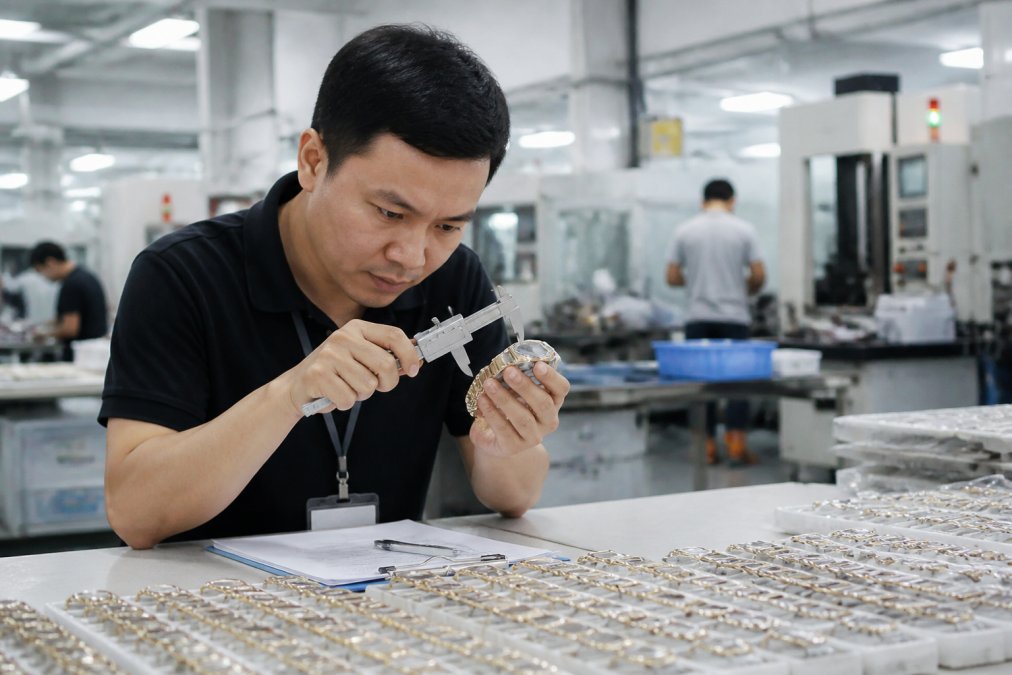
Timing matters. Pre-production inspection verifies materials and setup before manufacturing begins. In-process inspection catches issues early. Pre-shipment inspection happens after production but before shipment, catching final-stage defects.
Choose an inspection service with experience in your product category. Inspecting electronics requires different expertise than textiles or wellness products. Ask about their experience with your specific product type and suppliers.
Establish clear inspection criteria before production begins. Provide your specification sheet and define acceptable quality. Specify sample size and defect thresholds that trigger batch rejection.
Inspection costs typically represent a small percentage of order value. The cost-benefit is straightforward: inspection costs far less than receiving defective goods, processing returns, managing complaints, or handling regulatory issues.
Request photographic evidence of findings. These photos document what the supplier shipped and condition before leaving the facility, protecting you if disputes arise.
Common Import Mistakes and How to Prevent Them
Most import quality problems are predictable mistakes that repeat across buyers and suppliers.
The first mistake is underestimating written specifications. Buyers assume suppliers understand industry standards or that "good quality" is self-evident. Without written specifications, you rely on assumptions that won't survive reality. Always document requirements in writing.
The second mistake is skipping sample evaluation. Buyers sometimes rush to large orders based on quotes and references without seeing what the supplier produces. Samples reveal manufacturing capability and whether the supplier can execute your specifications.
The third mistake is choosing suppliers purely on price. The lowest bid often reflects lowest quality standards. A supplier quoting 30% below market rates is cutting something, materials, labor practices, quality control, or safety standards. Verify what they're cutting.
The fourth mistake is poor communication. Many quality issues stem from misunderstandings preventable with clearer dialogue. Use written communication for important details. Confirm the supplier understands your requirements. Don't assume; verify.
The fifth mistake is failing to document the supply chain. You need to know which supplier provided which batch, when it was produced, what testing was done, and results. This documentation becomes invaluable if problems emerge after products reach customers.
The sixth mistake is ignoring cultural and operational differences. Suppliers in different regions operate under different assumptions about quality and communication styles. Understanding these differences prevents misaligned expectations.
Post-Import Quality Failure Resolution
Even with rigorous vetting and inspection, quality failures sometimes occur. How you respond determines whether the problem becomes a learning opportunity or financial disaster.
Document everything immediately. Take photographs of defective products. Record serial numbers, batch numbers, and production dates. Note when the problem was discovered and how it affects operations. This documentation becomes evidence for recovery claims.
Contact your supplier immediately with detailed information, photographs, and test results. Give them an opportunity to explain. Sometimes failures result from shipping damage or mishandling on your end.
If the supplier acknowledges responsibility, negotiate a resolution: replacement shipment, refund, or credit toward future orders. Get any agreement in writing. If they dispute responsibility, escalate to management or quality department while maintaining professional communication.
If the supplier refuses to cooperate, review your contract terms for dispute resolution procedures and remedies. Follow the outlined process.
Consider whether your quality inspection service should have caught the problem. If pre-shipment inspection was conducted and defects weren't identified, the service bears responsibility. Most carry liability insurance and have procedures for addressing failures.
File claims promptly. Most agreements and insurance policies have time limits for claims. Waiting weakens your position.
Use the failure as a data point for future decisions. Did the supplier's quality control fail? Did your specifications miss important details? Did the inspection service miss obvious defects? Adjust processes accordingly.
Avoiding low quality imports requires discipline across multiple stages: selecting reliable suppliers, documenting precise specifications, requesting and evaluating samples, and implementing quality inspection. ShopVerse.life applies these principles systematically to every product in its curated collection, ensuring that what arrives at your door has already passed rigorous quality verification. For your own sourcing, treat quality assurance as a core business process, not an optional extra. The upfront investment in vetting, specification, and inspection pays dividends through reduced returns, fewer customer complaints, and stronger supplier relationships built on clear expectations and consistent delivery.
Frequently Asked Questions
What are the most common risks when importing products?
The biggest risks include receiving defective goods, counterfeit or substandard materials, non-compliance with safety standards, and supply chain delays. Quality control failures often stem from inadequate supplier vetting, missing product specifications, and skipped pre-shipment inspections. Manufacturing standards vary widely across regions, and without proper oversight, you may discover issues only after products reach your warehouse, resulting in costly returns and customer dissatisfaction.
How can I verify a supplier's quality control standards?
Request documentation of their quality assurance protocols, certifications (ISO 9001, industry-specific standards), and third-party audit reports. Ask for references from existing customers and examples of batch testing results. Conduct a factory assessment if possible, or hire a third-party inspection service to evaluate their production monitoring systems. Review their contractual agreements to ensure quality benchmarks are clearly defined and enforceable.
What is the role of third-party quality inspection services in importing?
Third-party inspection services provide independent verification of product quality before shipment. They perform pre-shipment inspections, batch testing, and compliance checks against your specifications. This reduces defect rates and catches issues early, saving money on returns and replacements. These services also document findings for customs compliance and provide liability protection if disputes arise with suppliers.
How do I protect myself legally if imported goods arrive defective?
Establish clear contractual agreements with suppliers that specify quality standards, inspection rights, and remedies for defects. Document all communications and inspection reports. Understand your rights under the Uniform Commercial Code (UCC) and Federal Trade Commission (FTC) regulations regarding merchantability and fitness for purpose. Consider product liability insurance and keep detailed records of pre-shipment inspections to support any claims or disputes.
This article was written using GrandRanker