

How to Choose High Quality Home Essentials: A Buyer's Guide
Table of Contents
- Understanding How to Choose High Quality Home Essentials
- How to Spot Quality Furniture and Anchor Pieces
- Kitchen Essentials: Cookware, Dinnerware, and Appliances
- Bedroom Essentials: Mattress, Bed Frame, and Bedding
- Home Essentials Checklist for New Homeowners
- Durable Home Goods Brands and Sustainable Materials
- How to Maintain Home Essentials for Long-Term Value
- Choosing High Quality Home Essentials on a Budget
Last Updated: July 14, 2026
Understanding How to Choose High Quality Home Essentials
Learning to choose high quality home essentials is a practical skill that pays dividends. According to Consumer Reports Home Buying Guide 2026, households that invest thoughtfully in foundational pieces report 40% higher satisfaction with their living spaces over five-year periods. The difference between a home that feels lived-in and one that feels thrown together comes down to intentionality, not budget.
Why Quality Matters in Your Home
Your home is where you spend roughly one-third of your life. The furniture you sit on, the bed you sleep in, and the cookware you use daily are investments in your comfort and mental health. Poor quality essentials wear out fast and force repeated replacement. A $300 mattress needing replacement in three years costs more than a $1,200 option lasting ten years. Quality also compounds, a well-made bed frame supports a quality mattress properly, and quality cookware heats evenly, preventing hot spots that ruin meals.
Investment Pieces vs. Budget-Friendly Options
Investment pieces are items you use daily and will own for years: mattresses, bed frames, kitchen knives, cookware, dining tables, and bedroom furniture. These deserve careful selection because they directly impact daily experience and longevity matters tremendously.
Budget-friendly options work well for items you replace frequently or don't use intensively: kitchen gadgets, seasonal decor, storage containers, and cleaning supplies. The mistake most people make is reversing this logic, splurging on trendy decor they'll tire of in a year while buying the cheapest mattress available. Invest in what you use every day; be flexible with what you don't.
How to Spot Quality Furniture and Anchor Pieces
Identifying quality furniture requires looking past appearance. Beautiful doesn't mean durable, and trendy doesn't mean functional.
Evaluating Materials and Construction
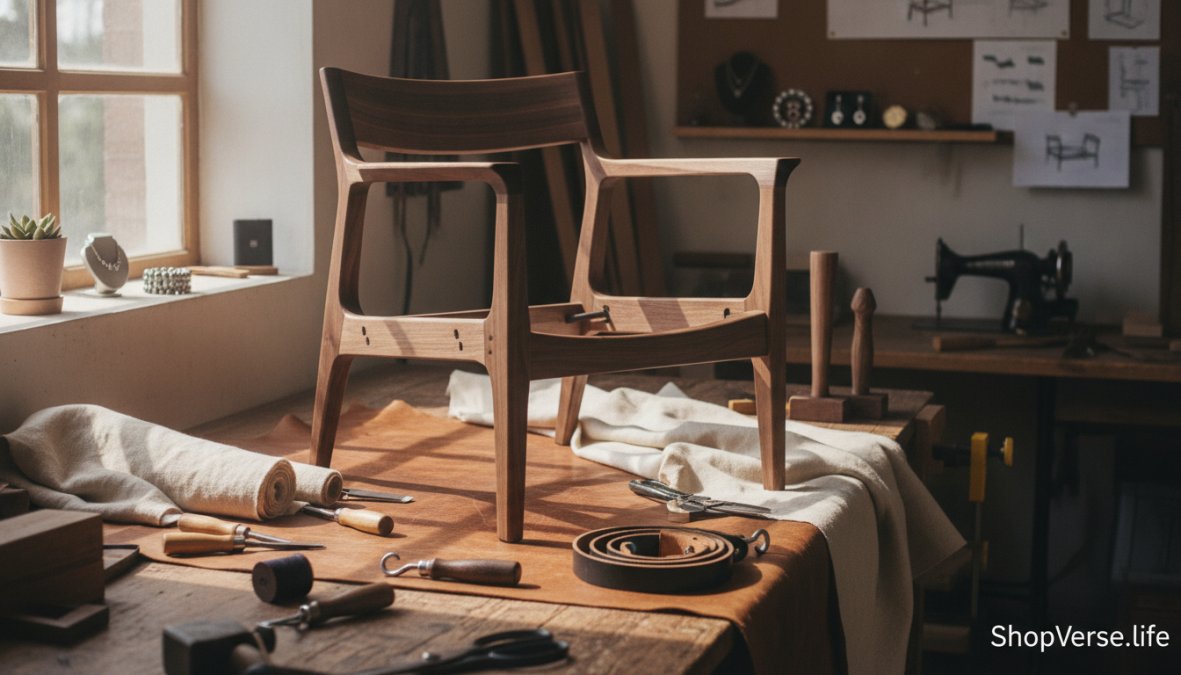
Real wood beats veneer for long-term durability. Solid hardwoods like oak, maple, and walnut resist warping and can be refinished if damaged. Veneer delaminates over time when exposed to moisture or impact.
Check how pieces are joined. Dovetail joints and mortise-and-tenon joints indicate craftsmanship and longevity. Run your hand along seams, gaps signal poor construction that will worsen with use. Upholstered furniture should have hardwood frames, not plywood. High-density foam (at least 1.5 pounds per cubic foot) resists compression better than low-density foam. Eight-way hand-tied springs are superior to simple coil springs.
For tables and desks, weight indicates quality. Flip a chair over, are there reinforcement blocks at joints? Quality manufacturers don't cut corners on hidden surfaces.
Assessing Durability and Longevity
Ask yourself how a piece will age. Leather, solid wood, and natural fabrics age beautifully; glossy finishes and synthetics show every fingerprint and wear mark. Check weight limits and stress points. Examine where legs attach to the frame, are bolts tightened with room for adjustment as wood naturally shifts?
Ask the retailer about warranty and repair options. Companies confident in their products stand behind them. A five-year warranty means something; a one-year warranty on a $2,000 sofa signals the maker doesn't expect it to last.
Kitchen Essentials: Cookware, Dinnerware, and Appliances
Good cookware distributes heat evenly, preventing burned spots. Quality dinnerware withstands years of washing. Essential appliances should be reliable because replacing a refrigerator or stove is expensive and disruptive.
Selecting High-Quality Cookware and Kitchenware
Stainless steel with aluminum or copper core heats evenly and resists corrosion. Cast iron develops seasoning over decades. Weight matters, heavier pans distribute heat more evenly. Handles should be riveted or welded, not glued.
For knives, German steel or Japanese steel both work well if properly maintained. A chef's knife, paring knife, and serrated bread knife cover 90% of kitchen needs. Small appliances should have solid construction and reasonable warranties. A blender lasting five years beats one failing in eighteen months, even at double the cost.
Choosing Durable Dinnerware and Storage Solutions
Porcelain or stoneware withstands daily use and repeated dishwasher cycles better than ceramic. Check the glaze, it should be smooth and uniform. Glass containers with silicone seals preserve freshness better than plastic, which absorbs odors and stains.
| Dinnerware Type | Durability | Dishwasher Safe | Best For |
|---|---|---|---|
| Porcelain | Excellent | Yes | Daily use, formal settings |
| Stoneware | Very Good | Yes | Casual dining, rustic style |
| Ceramic | Good | Usually | Display, occasional use |
| Melamine | Fair | Hand wash | Outdoor, children |
Bedroom Essentials: Mattress, Bed Frame, and Bedding
You spend roughly 8 hours per night in bed. A quality mattress supports your spine properly, reducing morning stiffness. A sturdy bed frame prevents sagging and extends mattress life.
What to Look for in a Quality Mattress and Frame
Memory foam conforms to your body but can trap heat. Innerspring mattresses offer traditional support but may develop lumps. Hybrid mattresses combine both. Latex is durable and naturally hypoallergenic but costs more.
Density matters. Quality foam mattresses have 5-6 inches of high-density foam (at least 1.5 pounds per cubic foot). Coil count in innerspring mattresses should exceed 400, with individually wrapped coils performing better than connected coils. Bed frames need solid construction to prevent sagging. Wood frames should use hardwood; metal frames should have reinforced corners and center support.
Test mattresses in-store for at least 10 minutes in your normal sleeping position. Most quality mattress companies offer trial periods of 30 to 100 nights.
Premium Bedding Textiles and Materials
Thread count matters, but focus on fiber type rather than inflated counts. Egyptian cotton, Pima cotton, and linen are durable and breathable. Percale weave is crisp and cool for hot sleepers; sateen weave is soft and lustrous for cold sleepers. Comforters filled with down should have baffle-box construction to prevent filling from shifting into lumps.
Home Essentials Checklist for New Homeowners
Knowing what to prioritize prevents both overspending and living with missing essentials.
Room-by-Room Must-Haves and Priorities
Bedroom: Mattress, bed frame, two sets of sheets, pillows, one blanket or comforter, curtains or blinds.
Bathroom: Shower curtain, bath mat, towels (three sets), toilet brush and plunger, basic storage, mirror and lighting.
Kitchen: One large skillet, one pot, one small saucepan, chef's knife, paring knife, cutting board, utensils, plates, bowls, cups, glasses, basic appliances, dish soap, sponge, drying rack.
Living Room: Seating, coffee table, lighting, storage, window treatments.
Entryway: Shoe storage, coat hooks, mirror, small table for keys and mail.
Start with these essentials, then add items as you identify actual needs.
Basic Home Maintenance Tools and Cleaning Supplies
A basic tool kit prevents small problems from becoming expensive repairs: cordless drill, hammer, screwdrivers, adjustable wrench, tape measure, level, pliers, stud finder, flashlight, and socket set. Quality tools are worth the investment, a good cordless drill costs $80-150 but lasts for years.
For cleaning, invest in a good vacuum, mop, and broom. Microfiber cloths work better than cotton rags. Buy concentrated cleaning solutions you dilute yourself, they cost less and reduce plastic waste.
Durable Home Goods Brands and Sustainable Materials
Learning which brands deliver quality saves money over time.
Identifying Reputable Brands with Quality Track Records
Research brand reputation through multiple sources. According to J.D. Power Home Furnishings Satisfaction Study 2026, brands with strong customer satisfaction ratings typically maintain those ratings across product categories because quality is systemic.
Focus on patterns in reviews rather than individual complaints. Look at reviews from people who've owned items for 3+ years. Ask about warranties and repair policies, a company offering free repairs for five years signals confidence in durability. ShopVerse.life carefully curates high-quality home essentials from brands with proven track records, offering 100% satisfaction guarantees and fast shipping worldwide.
Eco-Friendly Materials and Sustainable Choices
Sustainability and durability often align. Items made to last decades consume fewer resources than items replaced repeatedly. Natural materials like solid wood, leather, and natural fabrics typically age better than synthetics.
Look for certifications. FSC certification indicates wood from responsibly managed forests. GOTS certification confirms organic cotton with fair labor practices. Avoid fast furniture designed for short-term use, a solid wood table costs more initially but lasts generations.
How to Maintain Home Essentials for Long-Term Value
Proper maintenance determines whether items reach their potential lifespan or fail prematurely.
Preventive Care and Proper Storage
Clean items regularly according to manufacturer instructions. Wipe spills immediately, letting liquid sit damages wood and fabric. Store items properly during off-seasons. Rotate items when possible, using multiple sets of sheets distributes wear evenly.
When to Replace vs. Repair
Repair items when the cost is less than 50% of replacement and the item still has useful life remaining. Solid wood furniture can be refinished or repaired indefinitely. Upholstered furniture can have fabric replaced. Mattresses cannot be meaningfully repaired, replacement is the only option.
Before discarding items, check if local organizations accept donations. Goodwill, Salvation Army, and Habitat for Humanity ReStores accept furniture in good condition.
Choosing High Quality Home Essentials on a Budget
Strategic choices and prioritization make quality affordable for most budgets.
Prioritizing Purchases and Space-Constrained Living
Buy in order of impact on daily life: mattress first (affects sleep, mood, and health), kitchen essentials second (used multiple times daily), furniture third. For small spaces, multi-functional pieces deliver more value. An ottoman with storage provides seating, a footrest, and storage. Resist filling empty spaces, empty space is valuable and calming.
Multi-Functional Pieces and Smart Investments
Neutral colors and classic styles age better than trendy patterns. A gray sofa works with different decor schemes over years. Buy secondhand for items where condition doesn't matter as much. Solid wood furniture, cast iron cookware, and vintage pieces often improve with age. Online marketplaces and consignment shops offer quality items at 30-50% of retail prices.
| Strategy | Best For | Savings | Tradeoff |
|---|---|---|---|
| Buy secondhand | Furniture, cookware, decor | 30-50% | Selection limited, condition varies |
| Wait for sales | Quality brands | 15-30% | Timing uncertain, colors may be limited |
| Buy basics new | Mattress, bedding, appliances | Hygiene | Higher cost |
| Multi-functional pieces | Small spaces | Space savings | Less specialization |
Choosing high quality home essentials is an investment in daily comfort and long-term value. When you understand what makes furniture durable, cookware perform, and bedding comfortable, you make purchases that last years instead of months. ShopVerse.life simplifies this process by curating premium home essentials from brands with proven quality track records, offering 100% satisfaction guarantees and worldwide shipping. Start with essentials that matter most, your mattress, core furniture, and kitchen tools, then build from there. Your future self will thank you.
Frequently Asked Questions
What are the key materials to look for when choosing high quality home essentials?
Look for solid hardwoods (oak, walnut, maple) in furniture rather than particleboard; natural fibers like 100% linen, cotton, and wool in textiles; stainless steel or cast iron in cookware; and genuine leather or high-quality synthetics in upholstery. Avoid items with excessive plastic components or veneers that hide inferior materials. Check product descriptions for material composition percentages, higher percentages of natural materials typically indicate better durability and longevity.
How do you tell if a product is high quality before purchasing?
Inspect construction details: check stitching (tight and even), joints (reinforced and stable), and finishes (smooth without rough edges). Research durable home goods brands with established reputations and customer reviews. Compare weight, quality items are typically heavier due to better materials. Look for certifications or warranties, which indicate manufacturer confidence. Visit showrooms when possible to physically assess ergonomic fit, balance, and overall craftsmanship before committing to an investment piece.
Is it worth spending more on home essentials checklist items?
Yes, investing in quality anchor pieces like mattresses, bed frames, and kitchen cookware pays dividends through longevity and performance. A high-quality mattress lasts 8-10 years versus 5-6 for budget options, reducing long-term costs. Premium cookware distributes heat evenly, preventing food waste. Quality furniture maintains structural integrity and aesthetics longer. Focus spending on items you use daily; budget-friendly options work for occasional-use pieces. The key is balancing quality investment pieces with practical budget considerations based on usage frequency.
What sustainable materials should I prioritize for eco-friendly home essentials?
Choose certified sustainable hardwoods (FSC-certified), organic cotton and linen textiles, recycled metal components, and low-VOC finishes. Look for bedding made from 100% natural fibers like organic cotton or linen, which are more durable and biodegradable than synthetics. For cookware, select stainless steel or cast iron, both are long-lasting and recyclable. Eco-friendly materials often align with durability, making them smart investments that reduce replacement frequency and environmental impact over time.
This article was written using GrandRanker