





































Table of Contents
- Why Upgrading Your Daily Routine Matters
- Daily Routine Examples for Productivity That Actually Work
- Master Your Sleep Hygiene and Morning Rituals
- How Long to Build a New Habit and Make It Stick
- Simple Habits to Improve Mental Health Daily
- Best Habit Tracking Apps and Tools for Consistency
- Optimize Your Workspace and Physical Environment
- Putting It All Together: Your Upgraded Routine
Last Updated: August 12, 2026
Why Upgrading Your Daily Routine Matters
Your daily routine is the foundation of everything else in your life. The decisions you make before 9 a.m., how you wind down at night, and the habits you repeat without thinking compound over time. A mediocre routine repeated 365 times becomes a mediocre life. An intentional one becomes something entirely different.
Most people know they need to change but approach it like flipping a switch, overhauling everything at once, crashing within two weeks, and reverting to old patterns. The problem isn't motivation. It's that they're trying to upgrade without understanding how habits work, what their circadian rhythm demands, or why consistency matters more than intensity.
At ShopVerse.life, we've analyzed what separates people who successfully upgrade their daily routine from those who don't. The difference is structure, using the right tools, and understanding that your environment shapes your behavior more than intentions ever will.
Below is a practical framework for upgrading your daily routine that accounts for how your brain works, how your body's natural rhythms operate, and what actually sticks when life gets messy.
Daily Routine Examples for Productivity That Actually Work
Productivity isn't about doing more. It's about doing the right things at the right time, when your energy and focus are highest.
A solid morning routine starts before checking your phone. The first 60 minutes set the tone for everything that follows. Begin with hydration, water, not coffee, since your body is dehydrated after sleep. Follow with 15 minutes of physical movement: a walk, stretching, or light exercise. This wakes your nervous system and increases blood flow to your brain.
A structured example: wake at 6:30 a.m., drink 16 ounces of water, move for 15 minutes, then tackle your most important task before 8 a.m. This deep work, completed before meetings and emails pile up, means you've already won the day.
Your circadian rhythm naturally dips around 2 to 3 p.m. Instead of fighting it with caffeine, use this window for lower-cognitive tasks: emails, administrative work, or meetings. Around 4 p.m., energy typically rebounds, ideal for your second priority.
Evening productivity looks different. Stop work by 6 p.m., have dinner by 7 p.m., and spend the hour before bed on something relaxing: reading, journaling, or gentle stretching. This signals to your body that sleep is coming.
Master Your Sleep Hygiene and Morning Rituals
Sleep quality determines your entire next day. Poor sleep makes focus, decision-making, emotional regulation, and motivation all suffer. The good news is that sleep hygiene is one of the easiest parts of your daily routine to upgrade.

The Role of Circadian Rhythm in Your Wake-Up
Your circadian rhythm is your body's internal clock. It controls when your body wants to sleep, when cortisol (your alertness hormone) spikes, and when melatonin (your sleep hormone) rises. Cortisol peaks around 30 minutes after waking, which is why that post-wake alertness window is valuable for important work. Melatonin starts rising around 9 p.m. for people on a standard sleep schedule.
The practical implication: wake at the same time every day, even weekends. This consistency trains your circadian rhythm so your body naturally wants to wake and sleep at those times. A tool like the Wake Up Light Sunrise Alarm Clock ($51.54) mimics a natural sunrise, gradually brightening your room instead of jolting you awake. Users report feeling more rested with the same sleep duration because it aligns with your circadian rhythm.

Creating an Evening Wind-Down Routine
The evening is where most routines fail. Your body needs a signal that sleep is coming through a wind-down routine lasting 60 to 90 minutes. Start by actually stopping work, then progress through progressively calmer activities. Have dinner 2 to 3 hours before bed so digestion doesn't interfere with sleep.
After dinner, many find success with a warm bath, light reading, or journaling. Eliminate blue light from your phone, computer, and artificial lights, as these suppress melatonin. Blue light blocking glasses like Felix Gray Blue Light Glasses ($95) filter these wavelengths, signaling to your body that evening is here.
A guided practice like meditation or journaling also helps. The Five Minute Journal ($29.95) provides structured reflection, or apps like Calm ($14.99/month or $69.99/year) offer sleep stories and guided meditations designed to ease you into rest.
How Long to Build a New Habit and Make It Stick
New habits typically take 66 days to become automatic, though this varies based on complexity and consistency. A simple habit like drinking water in the morning might stick in 30 days. A complex habit like a full morning routine might take 90 days or more.
The first two weeks are critical. Missing even one day dramatically increases the likelihood you'll quit. Many successful people use a tracking system to maintain the streak. Seeing consecutive days creates momentum.
After 30 days, the habit becomes easier as your brain starts automating the behavior. After 66 days, it's genuinely automatic and you're no longer spending willpower on it. Motivation is highest at the beginning and lowest around days 7 to 14. Push through this dip, consistency during this period separates people who build lasting habits from those who don't.
Simple Habits to Improve Mental Health Daily
Mental health is woven through your daily routine. Small habits, repeated consistently, profoundly affect your mood, anxiety levels, and resilience.
Movement is underrated. A 15-minute walk, especially in natural light, reduces anxiety and improves mood through increased serotonin and the calming effect of rhythmic movement. Use this as your transition between work and home.
Gratitude practice has documented mental health benefits. Name three specific things you're grateful for each morning, specificity matters more than elaborate journaling. "I'm grateful for the coffee I had this morning" is more effective than vague statements.
Social connection, even brief, reduces isolation. A 10-minute phone call with a friend or text exchange has outsized benefits. If you work from home, build this into your routine.
Stress management techniques should be part of your daily routine, not something you do only when stressed. Meditation, breathwork, or stretching for 5 to 10 minutes daily works well. Calm offers guided options starting with 3-minute sessions.
Best Habit Tracking Apps and Tools for Consistency
Tracking creates visibility and increases the likelihood you'll maintain habits. The best tools are ones you'll actually use.
Clever Fox Planner ($24.99) is a physical planner with dedicated habit-tracking sections. Writing things down creates stronger memory, and a physical planner sitting on your desk can't be ignored.
For digital tracking, Habitica gamifies the process by turning habits into quests. Done keeps it simple: log each day and watch your streak grow. The streak visualization is powerful, most people don't want to break a 30-day streak.
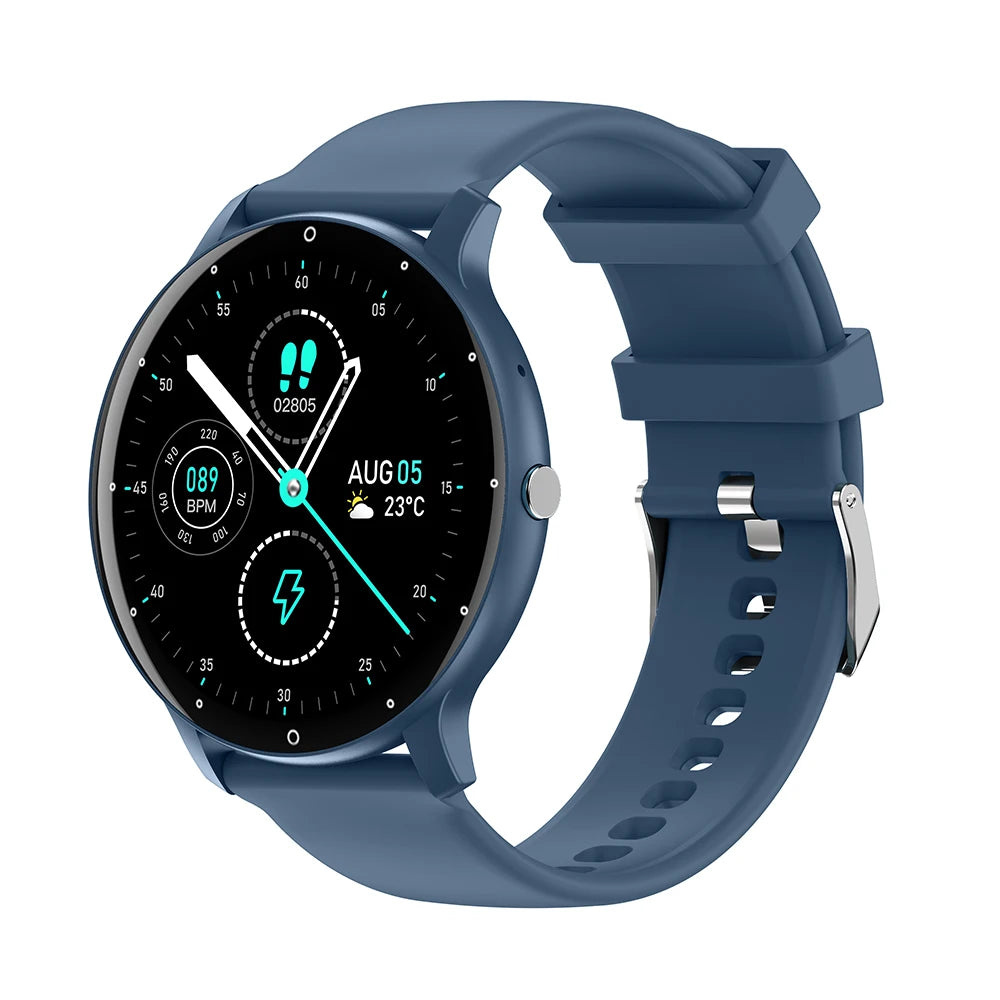
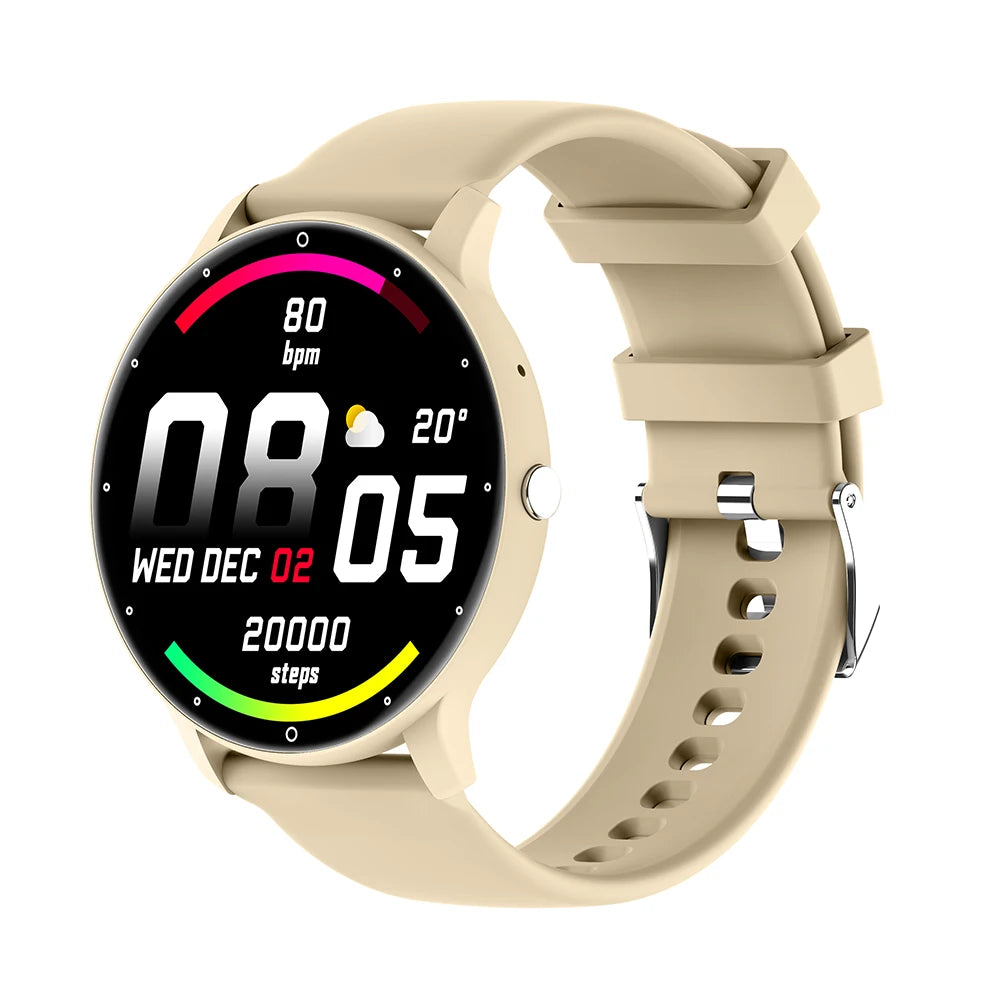
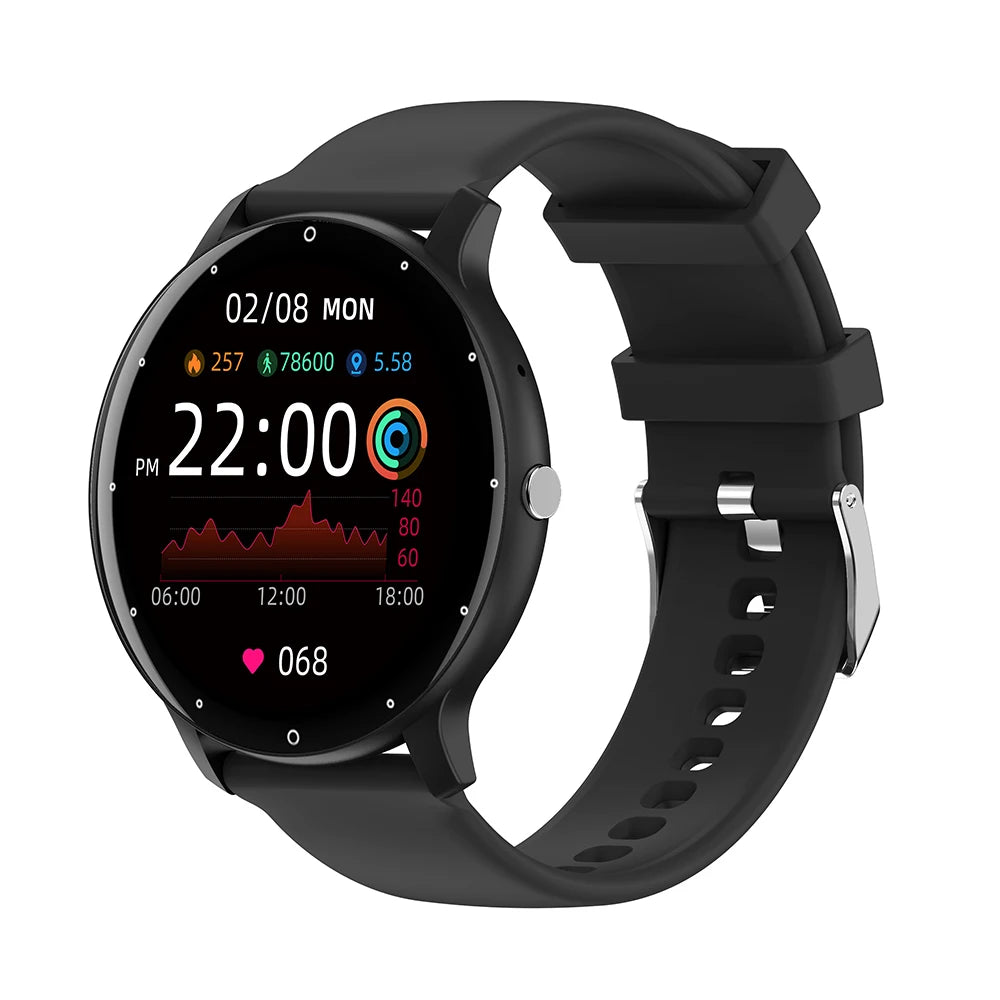
The LIGE Smart Bracelet ($59.10) tracks physical activity and sleep automatically, removing the friction of manual logging.

| Tool | Type | Best For | Cost |
|---|---|---|---|
| Clever Fox Planner | Physical | People who prefer writing and visual planning | $24.99 |
| Calm | App | Meditation and sleep tracking | $14.99/month |
| LIGE Smart Bracelet | Wearable | Automatic activity and sleep tracking | $59.10 |
| Habitica | App | Gamified habit building | Free + paid options |
Optimize Your Workspace and Physical Environment
Your environment shapes your behavior far more than willpower. Upgrading your daily routine must include upgrading your physical space.
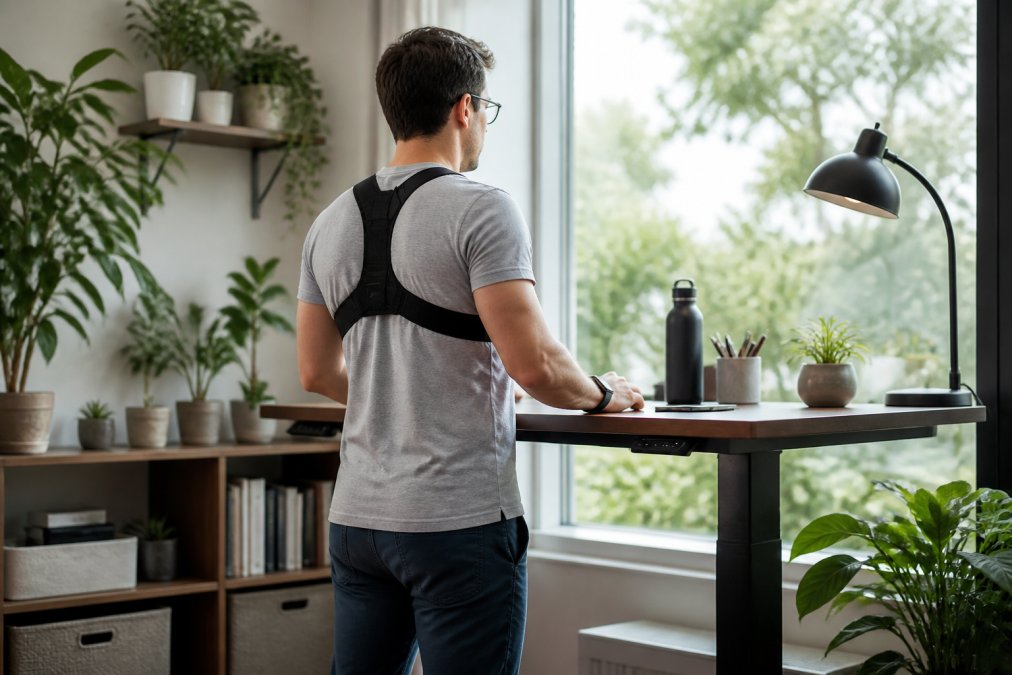
If you work from home, your desk setup is critical. A standing desk like the Vari Electric Standing Desk ($695) allows you to alternate between sitting and standing throughout the day, preventing cognitive decline and physical stiffness from prolonged sitting.
Posture matters significantly. Poor posture compresses your lungs, reducing oxygen to your brain, and creates tension leading to headaches and fatigue. A Posture Corrector Back Brace ($64.48) gently reminds you to stand tall throughout the day until good posture becomes automatic.

Natural light is ideal, but if your workspace lacks windows, full-spectrum lighting mimics natural daylight and maintains alertness. Keep your workspace organized, clutter creates cognitive load that drains mental energy. A simple rule: everything should have a designated place.
Hydration is often overlooked. A HidrateSpark PRO 2 Smart Water Bottle ($79.99) tracks your water intake and reminds you to drink. Most people don't realize they're dehydrated until experiencing fatigue and reduced focus.
A slightly cool room (around 65 to 68 degrees Fahrenheit) promotes focus and alertness.
Putting It All Together: Your Upgraded Routine
Upgrading your daily routine isn't about perfection. It's about intentionality. Pick elements that align with your life and goals.
Start with one change. If your sleep is suffering, begin with sleep hygiene and an evening wind-down routine. If your mornings are chaotic, focus on a consistent wake time and 15-minute movement practice. Give that change 66 days, then add the next one.
The tools you choose matter, but they're secondary to the habits themselves. A sunrise alarm clock doesn't build a better morning, consistency does. But the right tools remove friction, making showing up easier.
Your environment shapes your behavior. Optimize your workspace, invest in tools that support your goals, and use tracking to maintain visibility. These aren't luxuries. They're the infrastructure that makes your habits sustainable.
People who successfully upgrade their daily routine aren't more disciplined than everyone else. They've simply removed friction between intention and action, aligned their environment with their goals, and understood that small, consistent changes compound into transformation.
When you're ready to invest in tools that support your upgraded routine, ShopVerse.life offers curated, high-quality products designed to support your daily habits. From sunrise alarm clocks to posture correctors to smart bracelets that track your progress, we've selected items that actually work. Our 24/7 support and 100% money-back guarantee mean you can invest in your routine without risk.
Frequently Asked Questions
How do I improve my daily routine without feeling overwhelmed?
Start with one small change at a time rather than overhauling everything at once. Focus on habit stacking, attaching a new behavior to an existing routine. For example, practice mindfulness for two minutes right after your morning coffee. Most people see better results building consistency with a single habit before adding another. Track your progress with a simple checklist or app to stay accountable.
What's the best way to upgrade your daily routine for better mental health?
Simple habits to improve mental health include morning meditation (even 5 minutes), journaling to process thoughts, intentional breaks from screens, and physical movement. A smart bracelet can help you track activity and sleep patterns, giving you data-driven insights. Pairing these practices with stress reduction techniques like deep breathing creates a foundation for sustainable well-being without requiring hours of your day.
How long does it really take to build a new habit?
Research suggests 21 to 66 days for a habit to feel automatic, depending on complexity and consistency. Simple habits like drinking water take weeks; complex routines take months. The key is daily repetition without missing more than one or two days. Using habit tracking apps helps maintain accountability and visibility into your progress, making the process less abstract and more achievable.
Can ShopVerse.life products actually help me build a better routine?
Yes. Tools like the Wake Up Light Sunrise Alarm Clock ($51.54) support natural sleep cycles and gentler mornings. A Posture Corrector ($64.48) reinforces good habits during work. The LIGE Smart Bracelet ($59.10) tracks sleep, activity, and heart rate, giving you concrete data to optimize your routine. These products work best alongside intentional habits, they remove friction and provide feedback that strengthens consistency.
Upgrading your daily routine is one of the highest-leverage investments you can make. The compound effect of small, consistent improvements is staggering. Start today with one habit, give it 66 days, and watch what changes. Your future self will thank you for the work you do now.
This article was written using GrandRanker