

Is Buying From Small Online Retailers Safe? A 2026 Guide
Table of Contents
- Is Buying From Small Online Retailers Safe? What the Evidence Shows
- How to Know If an Online Retailer Is Legit Before You Order
- Secure Payment Methods for Online Shopping That Protect Your Money
- What a Fair Online Shopping Return Policy Looks Like
- Online Shopping Scams: Red Flags and Too-Good-to-Be-True Offers
- Shipping, Delivery Tracking, and Website Security Checks
- A Risk-Based Decision Framework for Unfamiliar Stores
- Conclusion: Weighing Convenience Against Caution
- Frequently Asked Questions
Last Updated: October 13, 2026
Is Buying From Small Online Retailers Safe? What the Evidence Shows
Buying from small online retailers is safe when you check the seller before you pay. This guide from ShopVerse.life covers the checks that matter most.
Small stores can be safer than big marketplaces in one way: the owner often answers your email personally. But that same owner may not offer the same buyer protection. The real question isn't "small or big?" It's "how do I check this store?"
How to Know If an Online Retailer Is Legit Before You Order
You can confirm a retailer is legit in about ten minutes. Check the seller's history, identity, and contact details before you pay:
- Search the store name plus the word "review" or "complaint"
- Look for a real street address and phone number
- Check that the contact page lists a working email
- Read the return and refund policy in full
- Test customer support with one question before you buy
If a store hides its address or won't answer a simple email, walk away.
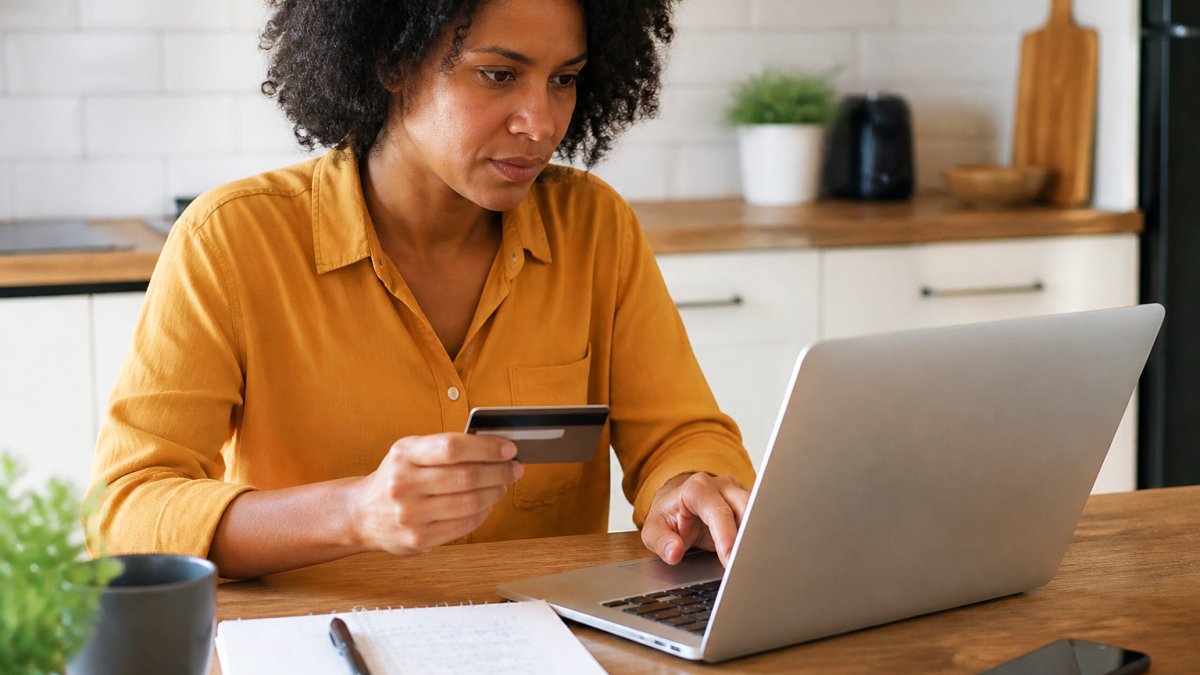
Checking Seller Ratings, Reviews, and Transaction History
Ratings tell you how a seller treats buyers over time, but read them like a skeptic. Look for patterns, not single posts:
- A sudden run of one-star reviews in the same month
- Reviews that all sound alike or repeat the same phrases
- Sellers with no reviews at all on a brand-new store
A store with a few honest bad reviews is often safer than one with nothing but five stars. Real businesses make mistakes. Fake ones pretend they never do.
Verifying a Small Retailer's Identity and Business Legitimacy
Small shops often run from a home office or a single warehouse. What matters is whether the business is real and reachable. Check:
- A business name that matches the store name
- A physical address you can look up
- A phone number that rings a person
A common mistake is assuming a small store is fake just because it's small. Plenty of honest shops are one-person operations. The test is transparency, not size.
Secure Payment Methods for Online Shopping That Protect Your Money
The safest way to pay online is with a credit card. Credit cards give you the strongest dispute rights if a seller fails to deliver, and federal law backs those rights. Debit cards, digital wallets, and payment apps offer less protection because the money leaves your account before a dispute is resolved.
Here's how common payment methods stack up:
| Payment Method | Protection Level | Can You Dispute? | Who Decides |
|---|---|---|---|
| Credit card | Strong | Yes, through your card issuer | Card network rules and federal law |
| Debit card | Limited | Yes, but funds leave your account first | Your bank, often slower |
| Digital wallet | Varies | Depends on the wallet's terms | The wallet provider |
| Wire transfer | None | No, money is gone | No one |
| Gift card | None | No, treat it like cash | No one |
| Cryptocurrency | None | No, transfers are final | No one |
Pay with a credit card whenever you can. It's the single best move for protecting your money.
Why Credit Cards Beat Debit Cards for Small-Retailer Purchases
The difference comes down to whose money is at risk during a dispute.
Federal law gives you dispute rights on both, but the timelines differ. Under the Fair Credit Billing Act, you generally have 60 days from the statement date to dispute a credit card charge in writing.
A practical rule: use a credit card for any purchase from a store you haven't bought from before. Save the debit card for sellers you already trust.
Payments to Avoid: Wire Transfers, Gift Cards, and Crypto
Some payment requests should stop you cold. If a seller asks for a wire transfer, gift cards, or cryptocurrency, that's a serious warning sign.
These methods share one problem: they're hard to reverse. A wire transfer is final once the receiving bank accepts it. Gift card numbers can be drained within minutes. Cryptocurrency transfers cannot be reversed by anyone.
How to File a Chargeback If an Order Never Arrives
A chargeback is a request to your card issuer to reverse a payment. You file it when a seller won't refund you for an order that never came or arrived damaged. The process runs on the card network's rules, not the seller's goodwill:
- Contact the seller first and ask for a refund in writing. Keep the email.
- Save your order confirmation, receipt, tracking number, and any emails.
- Wait for the seller's stated refund window to pass. If they have no stated window, give them a reasonable deadline in writing.
- Call the number on the back of your card and ask to dispute the charge. Say the words "I want to file a chargeback."
- Send the issuer your documents and a short summary: what you ordered, what you paid, what went wrong, and what you did to resolve it.
Act fast. Many card issuers set a deadline for disputes, often within a few months of the charge. Check your cardholder agreement for the exact window. If the seller shipped nothing and never responded, that's usually the strongest case for a chargeback.
Small Retailer vs. Marketplace: Who Handles the Dispute
When you buy through a marketplace, the platform processes the payment and runs its own buyer-protection program. You file a claim with the platform first, and the platform decides whether to refund you.
When you buy directly from a small retailer, there's no platform in the middle. Your card issuer is your only backstop. That changes your strategy:
- Marketplace: File a claim with the platform. Follow its deadlines exactly, because they're often shorter than card-network deadlines.
- Small retailer: Skip the platform step. Go straight to your card issuer if the seller won't resolve it.
Neither path is automatically safer. A small store that accepts credit cards and answers email can be just as safe as a large platform.
What a Fair Online Shopping Return Policy Looks Like
A fair return policy is clear, easy to find, and gives you enough time to change your mind. If you can't find it in a minute or two, that's a problem. A good policy states:
- How many days you have to return an item
- Who pays for return shipping
- What condition the item must be in
Read this before you buy, not after. It's the difference between a smooth return and a fight.
Small Retailer vs. Marketplace Buyer Protections
Marketplaces often bundle buyer protection into every order. Small shops usually don't. Here's the trade-off:
- Marketplace: Built-in protection, but you deal with a platform, not a person
- Small retailer: Direct contact with the owner, but protection depends on their policy
Neither is automatically safer. A small store with a strong written policy and credit card payment can be just as safe as a big platform. The key is knowing what you're covered for before you pay.
Online Shopping Scams: Red Flags and Too-Good-to-Be-True Offers
An unusually low price is the oldest scam signal there is. If a store sells a popular item far below everywhere else, be careful.
Watch for these red flags:
- Prices that are far lower than other stores
- Countdown timers that pressure you to buy now
- No return policy or a policy full of holes
Scammers rush you; real stores let you think. If an offer feels too good to be true, it usually is.
Shipping, Delivery Tracking, and Website Security Checks
A safe store tells you how and when your order ships, protects your data at checkout, and gives you a way to verify the order actually moved. Most safety guides stop at the padlock icon. That's not enough. Here's what to check before and after you pay.
Verify the Shipping and Fulfillment Details Before You Pay
Before you enter payment information, confirm these on the product or checkout page:
- A shipping timeline with real estimates, not just "fast shipping"
- A stated carrier or shipping method
- A tracking number provided once the order ships
A store that ships from overseas may take weeks, not days, and returns can be expensive. That's not automatically a scam, but it changes the risk. If the listing says "ships in 2-3 days" and the seller later says it's coming from another continent, that's a mismatch worth noting.
What to Do When Tracking Is Missing or Misleading
A tracking number that never updates is one of the most common complaints about unfamiliar stores. How to handle it:
- Wait 3-5 business days after the shipping confirmation. Some carriers are slow to scan.
- Check the tracking number directly on the carrier's website, not just the seller's page.
- If the number doesn't exist in the carrier's system, contact the seller in writing and ask for a valid one.
- If the seller stalls or sends a second invalid number, treat it as a failed delivery.
- File a chargeback with your card issuer if the seller won't refund you.
A tracking number that shows "label created" for more than a week usually means the package never left the seller. That's a pattern worth acting on.
Website Security and Checkout Protections
Before you buy, confirm:
- The checkout page starts with "https" and shows a padlock in your browser's address bar
- The payment form is on the seller's own domain, not a redirect to an unrelated site
- The store doesn't ask for your Social Security number, driver's license, or bank login
Never enter payment information on a page that isn't secure. And never send card details by email or text. Legitimate sellers don't ask for that.
Privacy Policies, Data Collection, and Account Security
A privacy policy tells you what the store does with your name, address, email, and payment data. If you can't find one, that's a gap. If you find one, skim it for:
- Whether the store sells or shares your data with third parties
- How long it keeps your information
- Whether it uses your email for marketing after purchase
For account security, follow the same rules you'd use anywhere else:
- Use a unique password for each shopping account. Password reuse is how one breach becomes many.
- Turn on two-factor authentication if the store offers it.
- Use guest checkout when you don't plan to shop there again. Fewer stored accounts means fewer places your data can leak.
A small retailer that publishes a clear privacy policy and offers guest checkout is showing you it takes data seriously. That's a positive signal, not a guarantee.
A Risk-Based Decision Framework for Unfamiliar Stores
Not every store needs the same scrutiny. Match your caution to the size of the purchase and how well you know the seller:
| Situation | Risk Level | What to Do |
|---|---|---|
| Known store, small purchase | Low | Buy with a credit card |
| New store, small purchase | Medium | Check reviews and policy first |
| New store, large purchase | High | Verify identity, use credit card, save records |
| Any store asking for wire or gift cards | Very high | Do not buy |
Higher risk means more checks. A store you've used before with a clean record deserves trust. A brand-new site with no history earns none until you check.
The best protection isn't avoiding small retailers. It's paying with a credit card and keeping your order records. Those two habits cover most problems.
Conclusion: Weighing Convenience Against Caution
Buying from small online retailers comes down to one trade-off.
That homework takes ten minutes. Check the seller, read the policy, and pay with a credit card.
At ShopVerse.life, we built our store around exactly that trust. We offer 100% secure payment, a money back guarantee, and 24/7 online support.
Get started with ShopVerse.life and shop with confidence, knowing your payment is secure and your purchase is backed.
Frequently Asked Questions
Is it safe to buy from an online store you have never heard of?
It can be, if you check the store first. Look for a real business address, a working phone number, and a return policy written in plain language. Search the store name plus the word 'review' or 'scam' to see what other buyers say. Pay with a credit card so you can dispute the charge if the order never arrives. Small online retailers are not automatically risky, but unfamiliar ones deserve five minutes of checking before you enter payment information.
What is the safest way to pay a small online retailer?
Credit cards offer the strongest protections for online shopping. Under the Fair Credit Billing Act, you can dispute charges for goods that never arrived or arrived damaged. Debit cards, digital wallets, and PayPal also offer dispute options, though the process can take longer. Avoid wire transfers, gift cards, and cryptocurrency, since those payments are nearly impossible to reverse once sent.
Can you get your money back if a small online retailer does not deliver?
Often yes, but the path depends on how you paid. Start by contacting the seller and requesting a refund in writing, keeping copies of every message. If the seller does not respond within a reasonable window, file a dispute with your credit card issuer or payment provider. You can also report the problem to the FTC at ReportFraud.ftc.gov and to your state attorney general. Acting quickly matters, since most card issuers set a 60-day window for billing disputes.
Is buying from a small retailer safer through a marketplace?
Marketplaces add a layer of buyer protection because the platform handles disputes and can remove sellers who break the rules. That said, the seller still controls shipping and product quality, so check individual seller ratings and transaction history rather than trusting the platform alone. Buying directly from a small retailer's own site can mean faster support, but you carry more of the verification work yourself. Either route works if you pay with a card and read the return policy first.