

Natural Alternatives to Sleep Medication: 7 Options for Better Rest
Table of Contents
- Understanding Natural Alternatives to Sleep Medication
- Top Natural Alternatives to Sleep Medication: Quick Comparison
- Herbal Remedies for Sleep: Evidence-Based Options
- Sleep Hygiene Tips for Sustainable Rest Without Medication
- Cognitive Behavioral Therapy for Insomnia: A Drug-Free Approach
- Melatonin Alternatives: Natural and Supplement Options
- Technology-Based Sleep Aids: Devices and Apps
- Safety Considerations and When to Seek Professional Help
Last Updated: July 29, 2026
When you're lying awake at 2 a.m., the appeal of a sleeping pill is hard to resist. But many people are discovering that natural alternatives to sleep medication can be just as effective, without the morning grogginess or dependency risks of prescription sleep aids. At ShopVerse.life, we've compiled research on evidence-backed options that address the root causes of insomnia rather than just masking symptoms.
Most sleep problems aren't solved by popping a pill, they're solved by understanding what's keeping you awake and fixing it systematically. This guide walks you through seven proven approaches that don't require a prescription: herbal remedies with research backing, lifestyle changes that reset your sleep-wake cycle, and technology tools that guide you toward better rest.
Understanding Natural Alternatives to Sleep Medication
Sleep is a biological necessity. Your body uses sleep to consolidate memories, repair tissue, regulate hormones, and clear metabolic waste from your brain. When sleep doesn't happen, your immune system weakens, your metabolism slows, your mood tanks, and your ability to think clearly disappears.
Millions of Americans turn to prescription sleep medications as the first solution. These drugs sedate the central nervous system but come with real costs: dependency potential, next-day impairment, and the fact that they don't address the underlying problem. Natural alternatives work through different mechanisms, some by supporting melatonin production, others by calming anxiety, and still others by establishing better sleep hygiene habits that train your body to sleep on its own.
How Sleep-Wake Cycles Work
Your circadian rhythm is a 24-hour internal clock controlled primarily by light exposure and melatonin production. When sunlight hits your eyes in the morning, your brain suppresses melatonin and releases cortisol, waking you up. As evening approaches and light fades, melatonin production ramps up, signaling your body to rest.
Modern life disrupts this system constantly. Artificial lighting, blue light from screens, irregular schedules, and caffeine all interfere with melatonin production and confuse your circadian rhythm. Understanding this mechanism explains why many natural alternatives work: they support and restore your body's natural sleep-promoting processes rather than forcing sleep.
Why People Seek Alternatives
Prescription sleep medications are habit-forming and can cause tolerance, requiring higher doses over time. They also suppress REM sleep, when your brain consolidates memories and processes emotions. Long-term use has been linked to cognitive decline and increased risk of falls, particularly in older adults.
Many people experience rebound insomnia when stopping medication, their insomnia actually worsens temporarily, creating dependency. Natural alternatives work with your body's physiology rather than against it, don't create dependency, and often provide additional health benefits. Magnesium, for example, also supports muscle function and bone health.
Top Natural Alternatives to Sleep Medication: Quick Comparison
| Alternative | Type | Best For | Time to Effect | Key Consideration |
|---|---|---|---|---|
| Valerian Root | Herbal | Moderate insomnia, anxiety-driven sleep issues | 2-4 weeks of consistent use | Takes time; not immediate |
| Magnesium Glycinate | Supplement | Sleep quality, muscle tension | 1-2 weeks | Must be taken consistently |
| Ashwagandha | Herbal adaptogen | Stress-related insomnia, racing thoughts | 1-3 weeks | Works better for chronic stress |
| Chamomile Tea | Herbal beverage | Mild sleep issues, evening ritual | 30-60 minutes | Gentle; good for nightly routine |
| Cognitive Behavioral Therapy for Insomnia | Behavioral | Chronic insomnia (6+ months) | 4-8 weeks | Requires effort; most evidence-backed |
| Sleep Hygiene Optimization | Behavioral | All sleep issues | Immediate to 2 weeks | Foundational; must be done correctly |
| Meditation/Mindfulness Apps | Technology | Anxiety, racing thoughts, sleep latency | Immediate to 1 week | Requires consistency and practice |
Herbal Remedies for Sleep: Evidence-Based Options
Herbal supplements work gently and don't create dependency, though their effects are more subtle and require consistent use.
Valerian Root and Chamomile
Valerian root has been used for over 2,000 years, and modern research supports its use for insomnia. The herb contains compounds that bind to GABA receptors in your brain, the same receptors benzodiazepines target, but much more gently. Studies show valerian root reduces the time it takes to fall asleep and improves overall sleep quality, particularly for moderate insomnia. Typical dosage is 400-900 mg taken 30-120 minutes before bed, though it takes 2-4 weeks of consistent use before you notice significant improvements.
Chamomile is gentler and faster-acting. A warm cup of chamomile tea 30-60 minutes before bed helps you relax and fall asleep more easily. Chamomile contains apigenin, a compound that promotes sleepiness and reduces insomnia, particularly for anxiety-driven sleep issues. It's mild enough to use nightly without building tolerance and comes with the additional benefit of a calming evening ritual.
Ashwagandha and Passionflower
Ashwagandha is an adaptogenic herb that helps your body adapt to stress by regulating cortisol levels. High cortisol at night drives insomnia by keeping your nervous system in "fight or flight" mode. Ashwagandha pulls cortisol back down, allowing your body to relax. Research shows it improves sleep quality and reduces anxiety-driven insomnia, particularly for people whose sleep problems stem from work stress. Typical dosage is 300-600 mg daily, taken with food, requiring 1-3 weeks of consistent use.
Passionflower is another anxiety-reducing herb that supports sleep by increasing GABA levels in your brain. It's particularly useful for people whose minds race at bedtime or who struggle with intrusive thoughts.
Sleep Hygiene Tips for Sustainable Rest Without Medication
Sleep hygiene is foundational. Without it, no supplement will work effectively. It's the set of behaviors and environmental conditions that support sleep.
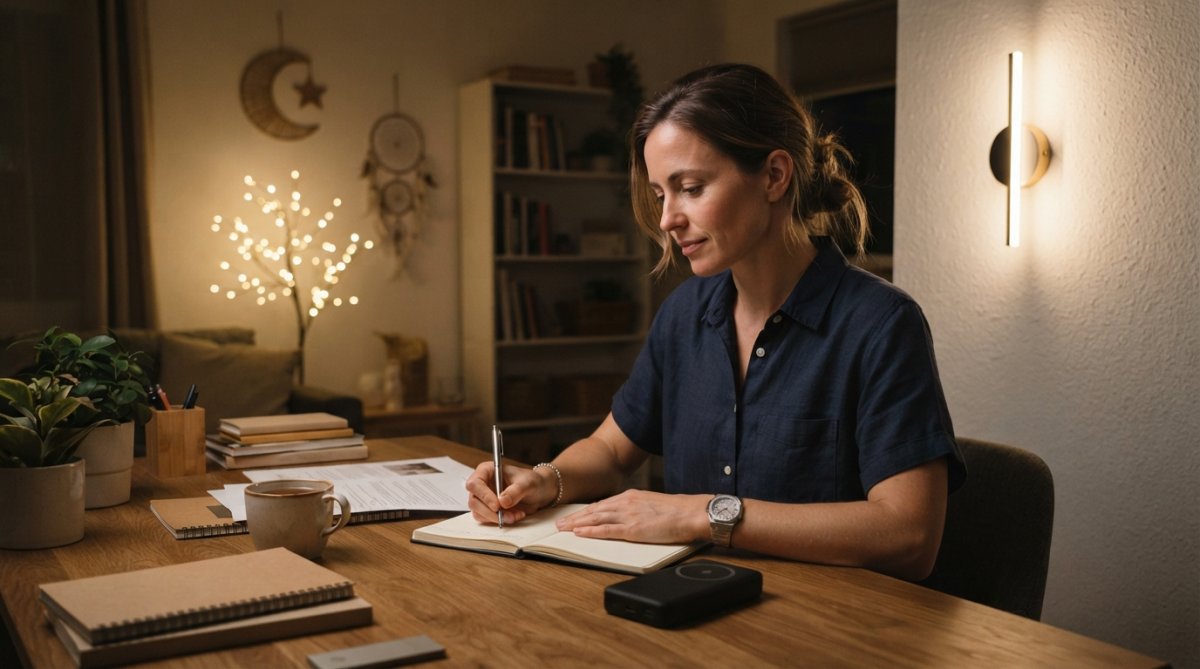
Optimizing Your Sleep Environment
Your bedroom should be cool, dark, and quiet. Light is the primary regulator of your circadian rhythm, even small amounts suppress melatonin production. Complete darkness matters.
Temperature is equally important. Your core body temperature naturally drops when you sleep, and a cool room (around 65-68°F) supports this process. A bedroom that's too warm keeps your nervous system activated.
Sound matters too. White noise, a fan, or earplugs can help if your environment is noisy. Remove screens from your bedroom entirely, blue light suppresses melatonin production, and mental stimulation keeps your brain engaged when it should be winding down.
Behavioral Practices That Support Better Sleep
Consistency is the hidden power of sleep hygiene. Going to bed and waking up at the same time every day, including weekends, trains your body when to be alert and when to sleep. This single change often improves sleep quality more than any supplement.
Establish a wind-down routine 30-60 minutes before bed: reading, gentle stretching, meditation, or journaling. Avoid caffeine after 2 p.m., as it has a half-life of 5-6 hours and will still be in your system at bedtime. Avoid large meals, alcohol, and intense exercise within 3 hours of bedtime. Alcohol suppresses REM sleep and causes nocturnal awakenings, leaving you less rested.
Get 10-30 minutes of bright light within the first hour of waking. This sets your circadian rhythm for the entire day and makes it easier to fall asleep 16 hours later.
Cognitive Behavioral Therapy for Insomnia: A Drug-Free Approach
If you've had insomnia for more than a few weeks, cognitive behavioral therapy for insomnia (CBT-I) is the most evidence-backed treatment available, more effective than medication, without side effects or dependency risks.
CBT-I breaks the insomnia cycle by addressing the thoughts and behaviors that perpetuate it. Sleep restriction therapy consolidates sleep by spending less time in bed initially. Stimulus control teaches you to use your bed only for sleep and intimacy. Cognitive restructuring helps you challenge catastrophic thoughts about sleep with more realistic thinking.
The approach typically takes 4-8 weeks of consistent work with a trained therapist. Many insurance plans cover it, and it's increasingly available through online platforms. The results are durable, people who complete CBT-I often maintain improved sleep for years afterward without ongoing treatment.
Melatonin Alternatives: Natural and Supplement Options
Melatonin supplements are synthetic versions of the hormone your body produces naturally. Melatonin works by signaling that it's nighttime, promoting drowsiness and helping regulate your circadian rhythm. It's often overused and misunderstood, it's not a sedative and doesn't force sleep. It works best for circadian rhythm disorders (like jet lag or shift work) rather than primary insomnia. Doses as low as 0.5-1 mg are often as effective as higher doses. Take it 30-60 minutes before your target bedtime, and combine it with sleep hygiene practices.
Magnesium and L-Theanine
Magnesium plays a crucial role in nervous system regulation and muscle relaxation. Many people are magnesium-deficient, contributing to insomnia, anxiety, and muscle tension. Magnesium glycinate is the most absorbable form for sleep, combining magnesium with glycine (an amino acid that also promotes sleep). Typical dosage is 200-400 mg taken 1-2 hours before bed. Unlike some forms, glycinate doesn't have a laxative effect, making it ideal for nightly use.
L-theanine is an amino acid found in green tea that promotes relaxation without sedation. It increases GABA production and promotes alpha brain waves, the state associated with calm alertness. Typical dosage is 100-200 mg taken 30-60 minutes before bed. It's gentle enough to use nightly without creating tolerance or dependency.
Dietary Sources for Better Sleep
Tart cherry juice contains natural melatonin and has been shown to improve sleep duration and quality. A glass 1-2 hours before bed can help. Fatty fish like salmon, mackerel, and sardines contain omega-3 fatty acids and vitamin D, both supporting serotonin production and circadian rhythm regulation. Nuts and seeds, particularly almonds and walnuts, contain magnesium and tryptophan.
Technology-Based Sleep Aids: Devices and Apps
Technology can support better sleep when used correctly, to establish better habits and manage anxiety, not as a replacement for sleep hygiene.
Meditation and Mindfulness Apps
Calm meditation and sleep app offers over 500 sleep stories narrated by celebrities and soothing voices, along with guided meditations and breathing exercises. Sleep stories work by engaging your mind in a calming narrative, preventing the anxiety spiral that keeps many people awake. Pricing starts at approximately $14.99 per month with a free tier available.
Headspace mindfulness and meditation platform takes a course-based approach, teaching meditation fundamentals and offering specific programs for sleep, anxiety, and stress. Pricing starts at approximately $12.99 per month.
Both are effective; the choice comes down to personal preference. Using them consistently, committing to 10-15 minutes nightly of guided meditation or sleep stories, can significantly reduce sleep latency and improve sleep quality within 1-2 weeks.
Smart Sleep Devices
Dodow [sleep aid(https://dj3igc-n0.myshopify.com/products/60cm-baby-startle-prevention-sleep-baby-patter-sleep-toys-for-babies-effortless-sleep-aid-automatic-palm-patting-sleeping-pillow) light device | mydodow.com] uses a pulsating blue light to guide your breathing into a slower, sleep-promoting rhythm. Synchronizing your breathing with the light activates your parasympathetic nervous system and quiets anxious thoughts. The device costs approximately $59.99 and requires no subscriptions. It's particularly effective for anxiety-driven insomnia.
Hatch Restore smart sleep device combines a sound machine, sunrise alarm, and smart light to create customized sleep routines. You can program it to play relaxing sounds and gradually brighten in the morning, simulating a natural sunrise. The device costs approximately $129.99 with optional premium content through subscription.
Oura Ring Gen3 sleep tracking device is a wearable ring that tracks sleep stages, heart rate variability, and body temperature, providing detailed insights into sleep quality. It costs $300-$400 plus a $6 monthly subscription. While it doesn't directly improve sleep, the data helps you identify what's working and optimize your approach.
For most people, starting with a meditation app or optimizing sleep hygiene is more cost-effective than investing in devices.
Safety Considerations and When to Seek Professional Help
Natural alternatives are generally safe, but they're not risk-free. Some herbs interact with medications, and some supplements can cause side effects if overused. Valerian root can cause drowsiness and should not be combined with alcohol or sedating medications. Ashwagandha may interact with thyroid and autoimmune medications. Magnesium at high doses can cause digestive upset.
Always inform your doctor or pharmacist about any supplements you're taking, particularly if you're on prescription medications.
Seek professional help if your insomnia has persisted for more than 4 weeks despite consistent sleep hygiene efforts, severely impacts your daytime functioning, or if you're experiencing symptoms of sleep apnea (loud snoring, gasping awake, daytime sleepiness despite adequate time in bed). A sleep specialist or your primary care physician can rule out underlying sleep disorders and help you develop a comprehensive treatment plan. For chronic insomnia, CBT-I from a trained therapist is the gold standard and often covered by insurance.
If you're currently taking prescription sleep medications and want to transition to natural alternatives, do so gradually under medical supervision. Abruptly stopping sleep medications can cause rebound insomnia and withdrawal effects.
Better sleep doesn't require medication, it requires understanding what your body actually needs and addressing it systematically. Whether you choose herbal remedies, behavioral approaches, or a combination of both, consistency is most important. Your sleep-wake cycle responds to predictable signals: consistent bedtimes, light exposure, physical activity, and a calm evening routine.
ShopVerse.life offers carefully curated wellness products and sleep-supporting tools to help you optimize your rest, from meditation apps to smart sleep devices. With our 100% secure payment system, fast shipping worldwide, and 24/7 support, finding the right tools for better sleep is seamless. Explore our collection of top-rated sleep aids and wellness products today, and experience the difference that quality rest can make in your life.
Frequently Asked Questions
What are the most effective natural alternatives to sleep medication?
Natural alternatives to sleep medication include herbal remedies like valerian root and chamomile, magnesium supplementation, behavioral interventions such as cognitive behavioral therapy for insomnia (CBT-I), improved sleep hygiene, meditation apps, and smart sleep devices. Research shows that combining multiple approaches, such as herbal tea with consistent sleep schedules and relaxation techniques, often produces better results than relying on a single remedy. The effectiveness varies by individual, so consulting a healthcare provider helps identify the best approach for your specific sleep challenges.
Are herbal remedies for sleep safe to use long-term?
Many herbal remedies for sleep are considered safe for short-term use, but long-term safety varies by herb and individual health status. Valerian root and chamomile have centuries of traditional use, though research on extended use remains limited. Ashwagandha and passionflower show promise in clinical studies but should be monitored. Important considerations include potential drug interactions, allergies, and pregnancy or nursing status. Always consult a pharmacist or healthcare provider before starting any herbal supplement, especially if you take other medications or have underlying health conditions.
How does cognitive behavioral therapy for insomnia differ from other sleep treatments?
Cognitive behavioral therapy for insomnia (CBT-I) addresses the thoughts and behaviors that perpetuate sleep problems, rather than simply inducing drowsiness. It includes techniques like sleep restriction therapy, stimulus control, and cognitive restructuring to break the cycle of anxiety around sleep. Unlike medication or supplements, CBT-I provides lasting improvements without dependency risk. Studies show CBT-I is as effective as prescription sleep medications for many people, with benefits that persist after treatment ends. It typically requires 6-8 sessions with a trained therapist and works best when combined with good sleep hygiene practices.
Can dietary changes really improve sleep quality without medication?
Yes, dietary choices significantly impact sleep quality. Tart cherry juice contains natural melatonin and has shown promise in research for improving sleep duration and quality. Magnesium-rich foods like almonds, spinach, and pumpkin seeds support relaxation and melatonin production. Warm milk provides both comfort and tryptophan, an amino acid that supports sleep. Conversely, caffeine, heavy meals, and alcohol close to bedtime disrupt sleep-wake cycles. Consistent meal timing also supports your circadian rhythm. For best results, combine dietary improvements with sleep hygiene tips and consider consulting a healthcare provider about supplementation if dietary sources are insufficient.
When should I see a doctor about my sleep problems instead of trying natural alternatives?
Consult a healthcare provider if insomnia persists for more than a few weeks, significantly impacts daily functioning, or occurs alongside other symptoms like loud snoring, gasping during sleep, or excessive daytime sleepiness. Sleep apnea and other medical conditions require professional diagnosis. If natural alternatives haven't helped after 4-6 weeks of consistent use, professional evaluation is warranted. Also seek help if you experience anxiety or depression related to sleep, take medications that may affect sleep, or have a history of substance use. A doctor can rule out underlying conditions and recommend personalized treatment combining natural approaches with professional support if needed.
This article was written using GrandRanker