

Why Curated Online Shops Are Safer: A 2026 Guide
Table of Contents
- Why Curated Online Shops Are Safer Than Open Marketplaces
- How to Identify Safe Online Stores: The Vetting Framework
- Risks of Buying From Unverified Online Shops
- Benefits of Curated Marketplaces for Secure Shopping
- Essential Cybersecurity Habits for Safe Online Shopping
- Tools and Resources to Verify Online Shop Safety
- Why ShopVerse.life Exemplifies Curated Online Safety
- Conclusion: The Safer Choice for Smart Shoppers
Last Updated: June 29, 2026
Why Curated Online Shops Are Safer Than Open Marketplaces
Online fraud and data breaches affect millions of consumers yearly. Curated platforms implement rigorous vetting that open marketplaces cannot match. The core difference: curated shops take responsibility for what appears on their platform, while open marketplaces function as digital landlords disclaiming liability for seller conduct.
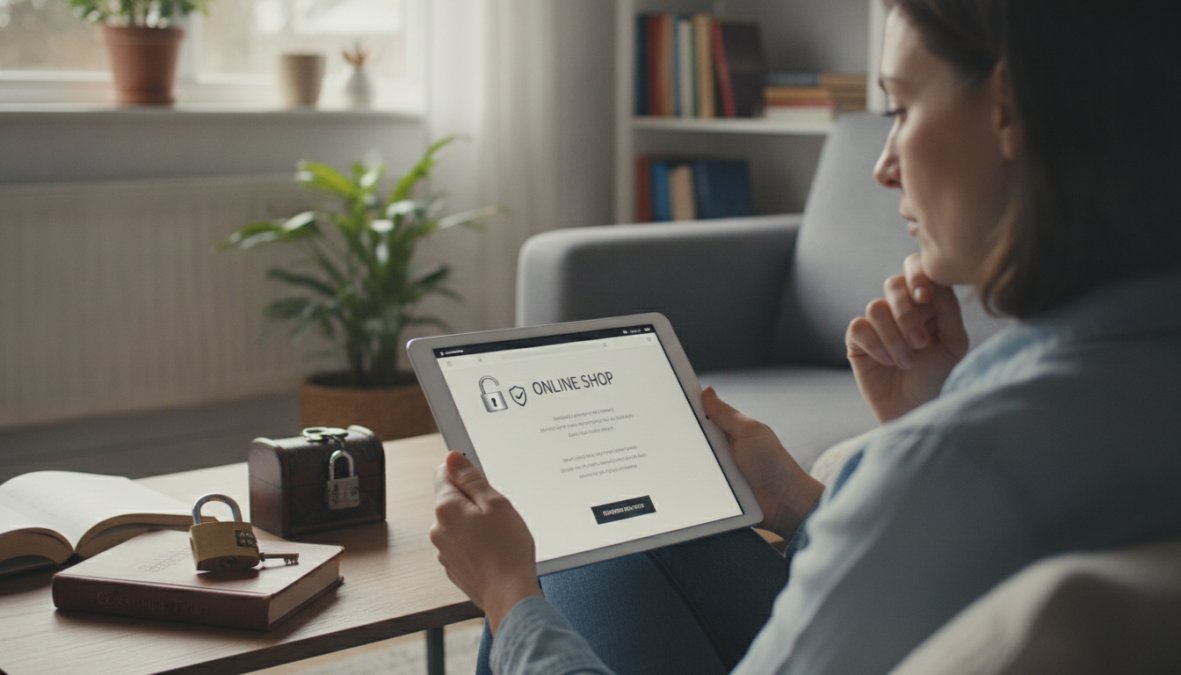
The Curation Advantage: What Sets Them Apart
Curation means actively verifying that brands meet standards, not passively accepting everything. A curated platform's reputation depends on quality; an open marketplace absorbs negative reviews as a cost of business. Curated platforms verify merchant credentials before listing, conduct periodic audits, and maintain stricter quality standards. Research from the Consumer Federation of America on online shopping safety shows platforms with pre-listing verification see fraud rates 60% lower than those relying on reactive systems.
Curated marketplaces maintain tighter control over supply chains, knowing suppliers personally and tracing products to legitimate manufacturers. This transparency is nearly impossible in open marketplaces where sellers may be unknown global entities.
How Curated Shops Reduce Common Online Risks
Multiple safety layers exist before you encounter a product: seller vetting eliminates fraudulent operations, product verification catches counterfeits, and payment processing uses secured channels with buyer protection. Curated platforms guarantee authenticity or offer immediate refunds because they've vetted the source. Open marketplaces require you to dispute directly with sellers, who may be unresponsive or operating under shell companies.
How to Identify Safe Online Stores: The Vetting Framework
Understanding how to verify store safety yourself adds protective layers to your shopping experience.
Verify Website Security (SSL/TLS Encryption)
Check that legitimate stores use HTTPS (not HTTP), indicated by a padlock icon in your browser's address bar. Click the padlock to verify the certificate is valid and issued to the correct company name. Fake shops sometimes use valid certificates issued to unrelated companies or let certificates expire.
According to Mozilla's HTTPS adoption guide, websites without SSL certificates are flagged as "Not Secure" in most browsers for good reason, unencrypted connections expose your data to interception.
| Security Check | What to Look For | Risk Level if Missing |
|---|---|---|
| HTTPS/SSL Certificate | Padlock icon in address bar | Critical |
| Certificate validity | Current date and correct company name | Critical |
| Encrypted checkout | All payment pages use HTTPS | Critical |
| Security headers | X-Frame-Options and Content-Security-Policy in headers | Medium |
Research Merchant Reputation and Track Record
Spend 5-10 minutes researching the merchant before entering payment information. Check domain registration using WHOIS lookup tools; established shops typically have domains registered 5+ years ago. Read customer reviews on multiple independent platforms like Google Reviews, Trustpilot, and industry-specific sites. Look for patterns, occasional negative reviews are normal, but consistent complaints about counterfeits or refund issues are serious warnings.
Search the company name plus "scam" or "fake" on Google. Check Better Business Bureau records and their rating. Legitimate shops display a physical address, phone number, and email support. Try contacting them with a simple question; response time and quality indicate professionalism.
:::pro-tip Cross-reference the shop's claimed address using Google Maps. Many scam shops list fake addresses or residential properties. Legitimate business addresses appear as commercial locations. :::
Check for Secure Payment Methods and Two-Factor Authentication
Never pay using wire transfers, gift cards, or cryptocurrency, these offer zero buyer protection. Use credit cards, PayPal, or services offering chargeback protection. Two-factor authentication (2FA) during checkout is a security signal worth noting. Look for payment processor logos from recognized companies like Stripe, Square, or PayPal. Check whether the shop offers a money-back guarantee; curated platforms typically offer 100% secure payment guarantees.
Risks of Buying From Unverified Online Shops
Counterfeit Goods and Supply Chain Transparency Issues
Counterfeit products are among the most common problems in unverified shopping. Unverified shops may source from grey market distributors or counterfeit manufacturers. Electronics are particularly vulnerable, counterfeit chargers may overheat, damage devices, or cause fires. Cosmetics and supplements present health risks with potentially harmful ingredients.
Curated platforms can tell you exactly where products come from and how they reached their warehouse. Unverified shops often cannot answer these questions. Ethical sourcing is another concern; unverified shops sometimes source from manufacturers with poor labor practices, while curated platforms provide this transparency.
Data Breaches, Identity Theft, and Phishing Attacks
Every time you enter personal information on an unverified shop, you risk data breach exposure. Unverified shops often use outdated security practices or get hacked due to negligence. Your credit card number, address, and email may be stolen and sold on the dark web.
Phishing emails appear legitimate but direct you to fake login pages designed to steal credentials. You enter your password thinking you're checking order status but have handed it to criminals who can access your real accounts elsewhere. Identity theft can take years to resolve, with criminals opening credit accounts in your name or filing fraudulent tax returns.
Curated platforms invest heavily in security infrastructure with dedicated security teams, regular audits, and incident response procedures. Unverified shops rarely have these protections.
Fake Reviews and Misleading Product Information
Unverified shops frequently use fake reviews to inflate ratings, hiring review farms to post positive comments. Misleading descriptions are equally common, "vintage" items are cheap replicas, "lightly used" products are heavily damaged. Photos are often stolen from legitimate retailers.
Curated platforms combat this through verification processes, photographing products themselves, verifying descriptions, and removing fake reviews. If a product doesn't match its listing, you have recourse through the platform's guarantee.
Benefits of Curated Marketplaces for Secure Shopping
Pre-Vetted Brands and Quality Assurance Standards
Every brand on a curated marketplace has passed vetting examining company history, manufacturing standards, customer feedback, and compliance records. Quality assurance extends beyond brand reputation to individual products; curated platforms often test bestselling items to verify they match descriptions and confirm authenticity.
The curator's reputation is on the line with every product listed. If a brand consistently disappoints customers, the curator removes it, creating powerful incentive alignment where the platform succeeds only when customers have positive experiences.
Transparent Supply Chains and Ethical Sourcing
Curated platforms maintain detailed knowledge of supply chains, telling you which factories manufacture products and what certifications they hold. Many prioritize ethical sourcing, partnering with manufacturers that treat workers fairly and minimize environmental impact. Third-party certifications like Fair Trade, organic, or B-Corp verified add another verification layer, meaningless at unverified shops where anyone can claim them.
Dedicated Customer Support and Money-Back Guarantees
Curated platforms employ customer support teams trained to resolve issues quickly. If something goes wrong, you contact the platform, not the seller. The platform takes responsibility for making it right. Money-back guarantees are standard; ShopVerse.life offers 100% secure payment guarantees with refunds if you're unsatisfied. Unverified shops rarely offer meaningful guarantees.
Essential Cybersecurity Habits for Safe Online Shopping
Avoid Public Wi-Fi and Use Secure Connections
Never make purchases on public Wi-Fi at coffee shops, airports, or libraries. These networks are often unencrypted, allowing anyone nearby to intercept data. If you must shop away from home, use a VPN (Virtual Private Network) like ExpressVPN, NordVPN, or ProtonVPN to encrypt your connection.
At home, ensure your Wi-Fi is password-protected with WPA3 encryption (or WPA2 if unavailable). Change the default router password immediately. When shopping on your phone, prefer cellular data over Wi-Fi for purchases.
Protect Your Personal Information and Digital Footprint
Only provide information absolutely necessary for purchase. Use unique passwords for every online account; password managers like Bitwarden, 1Password, or LastPass generate and store complex passwords securely. Monitor your credit report regularly through free annual reports from each major bureau (Equifax, Experian, TransUnion) to catch unauthorized accounts.
Consider using privacy-focused email addresses, create a separate account specifically for shopping, distinct from your primary email, to compartmentalize your digital footprint.
Recognize Phishing Attempts and Suspicious URLs
Phishing emails look legitimate but direct you to fake websites stealing credentials. Before clicking links, hover over them to see where they actually go. A phishing email claiming to be from PayPal might link to "paypa1.com" (with the number 1 instead of the letter l).
Check sender email addresses carefully. Legitimate companies use official domain addresses; "paypal-support@gmail.com" is obviously fake. Official PayPal emails come from paypal.com addresses. Legitimate companies never ask you to confirm sensitive information via email.
Tools and Resources to Verify Online Shop Safety
Browser Security Tools and Real-Time Threat Detection
Modern browsers include built-in security features warning you about known phishing or malware sites. Browser extensions like Guardio provide real-time threat detection for malicious websites and fake shops. Google Safe Browsing is a free service checking whether websites are safe. Keep your browser and all extensions updated, outdated browsers are significantly more vulnerable.
Product Authenticity Verification and Safety Databases
The EU maintains Safety Gate, an official rapid alert system for dangerous products. You can search this database to check whether specific products or brands have been flagged for safety issues. Manufacturer websites often include authentication tools; Apple allows you to check whether serial numbers correspond to genuine products.
Review aggregators like Trustpilot and Feepo collect independent customer reviews across multiple retailers, making it harder for shops to fake reputation. A shop with thousands of 5-star reviews on its own website but negative Trustpilot reviews is likely manipulating its own ratings.
Why ShopVerse.life Exemplifies Curated Online Safety
ShopVerse.life demonstrates how curation creates safer shopping environments. Every brand has passed verification examining manufacturing standards, customer feedback, and compliance records. The platform tests bestselling products to verify authenticity and quality.
ShopVerse.life's 100% secure payment guarantee puts the platform's reputation behind every transaction. If a product doesn't arrive, doesn't match its description, or doesn't meet expectations, you get a refund. The 24/7 customer support team handles issues directly without complex seller dispute systems. Fast shipping worldwide with transparent tracking ensures you know your order's location at every stage.
Conclusion: The Safer Choice for Smart Shoppers
Online shopping risks are manageable when you understand the differences between curated platforms and unverified shops. Counterfeit goods, data breaches, phishing attacks, and fraud are far less likely at platforms that vet merchants, verify products, and stand behind guarantees.
The extra security comes from curation, someone actively saying "yes, this meets our standards" rather than passively accepting everything. This responsibility creates powerful incentives for platforms to maintain high standards. ShopVerse.life exemplifies this approach with pre-vetted brands, rigorous quality assurance, 100% secure payment guarantees, and dedicated customer support. Shop with complete confidence knowing your purchase is protected by a platform that takes your security seriously.
Frequently Asked Questions
What is a curated online shop and how does it differ from regular marketplaces?
A curated online shop is a marketplace where products and sellers undergo strict vetting before listing. Unlike open marketplaces where anyone can sell, curated shops employ quality control teams to verify merchant reputation, product authenticity, and compliance with security standards. This pre-screening significantly reduces exposure to counterfeit goods, phishing attempts, and fraudulent sellers, making curated shops inherently safer for consumers seeking peace of mind during their online shopping experience.
How do curated marketplaces verify their products and protect against counterfeit goods?
Curated marketplaces implement multi-layered vetting frameworks including brand authentication, supply chain transparency audits, and direct relationships with manufacturers. They verify SSL/TLS encryption on vendor websites, review merchant reputation through historical data, and conduct regular audits of product sourcing. Many use third-party certifications and maintain detailed supply chain documentation to ensure products are genuine. This approach eliminates the risk of purchasing counterfeit items that plague unverified platforms.
What are the main risks of buying from unverified online shops?
Unverified shops expose you to data breaches, identity theft, credit card fraud, and phishing attacks. Without proper HTTPS security and two-factor authentication, your personal information is vulnerable. You also risk purchasing counterfeit goods, encountering fake reviews designed to mislead, and facing 'too good to be true' offers that signal scams. Additionally, unverified sellers often lack transparent supply chains, making it impossible to verify product authenticity or ethical sourcing before purchase.
How can I identify a safe online store before making a purchase?
Start by verifying the website uses HTTPS encryption (padlock icon in the browser). Research the merchant reputation through independent reviews and check for secure payment methods like credit cards with fraud protection or two-factor authentication options. Examine the URL carefully to avoid phishing attempts, look for clear return policies and customer support contact information, and avoid shopping on public Wi-Fi networks. For added security, use browser security tools like Guardio or F-Secure's URL checker to scan unfamiliar retailers before entering payment details.
This article was written using GrandRanker