

Benefits of Buying Certified Refurbished Electronics
Table of Contents
- What Certified Refurbished Electronics Actually Are
- Cost Savings: The Real Numbers Behind Refurbished Pricing
- Quality Control and Functional Testing Standards
- Certified Refurbished vs Used Electronics: Understanding the Difference
- Refurbished Electronics Warranty Coverage and Protection
- Environmental Impact of Refurbished Electronics
- Reliability and Hardware Performance You Can Count On
- Where to Buy and What to Look For
- Frequently Asked Questions
Last Updated: September 2, 2026
What Certified Refurbished Electronics Actually Are
Certified refurbished electronics are pre-owned devices that have been returned, tested, repaired if necessary, and restored to like-new condition by either the manufacturer or a certified third-party refurbisher. Unlike generic used electronics, certified refurbished devices undergo rigorous inspection, component replacement where needed, and cosmetic grading before resale. This process ensures the hardware meets strict quality standards and typically comes with a manufacturer warranty or certified seller guarantee.
The distinction matters because it separates devices that have been professionally restored from those simply resold as-is. When you buy certified refurbished electronics, you're getting a device that has passed functional testing, had defective parts replaced, and been cleaned to meet cosmetic condition grades.
According to Coherent Market Insights' 2026 market analysis, the global refurbished electronics market reached $68.24 billion in 2026 and continues expanding rapidly. As refurbishment processes have become more transparent and standardized, consumers increasingly recognize certified refurbished devices as a legitimate, quality-assured alternative to new products.
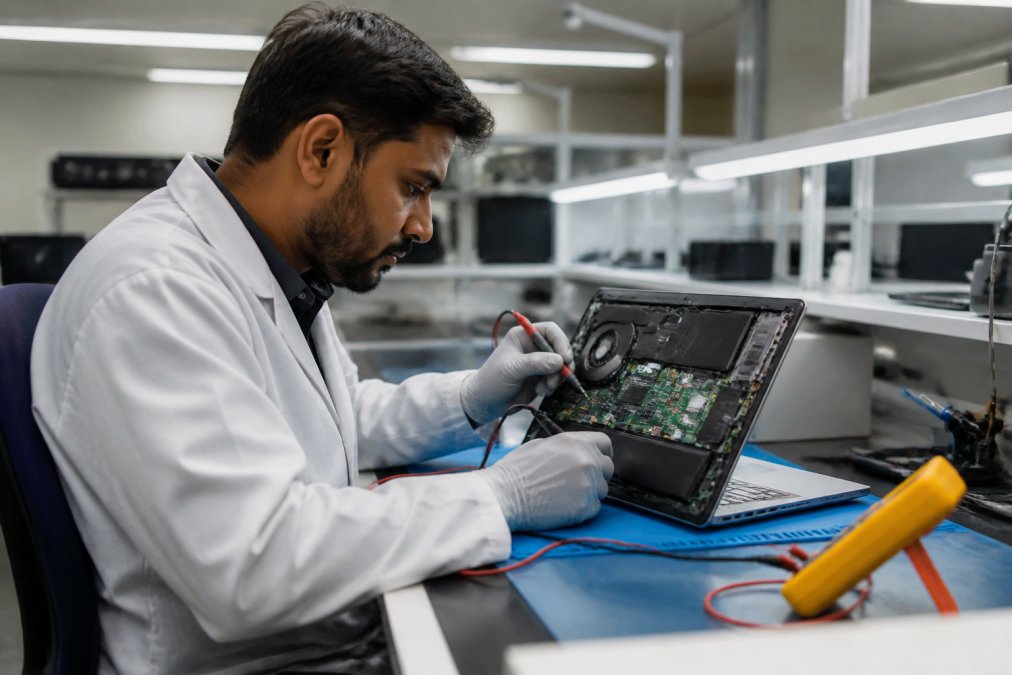
The refurbishment process includes visual inspection for physical damage, functional testing of all hardware components, software diagnostics, battery health assessment, and cosmetic restoration. Devices are graded by condition (Grade A, B, or C), and any components that don't meet performance standards are replaced with new or equivalent parts.
Cost Savings: The Real Numbers Behind Refurbished Pricing
Consumers save an average of 30-60% compared to purchasing new devices, according to Vertex AI Search's 2025 analysis of refurbished electronics stores. For premium devices, these savings translate to hundreds of dollars without sacrificing reliability or functionality.
Here's what the actual numbers look like across device categories:
| Device Type | New Price Range | Refurbished Savings | Real-World Example |
|---|---|---|---|
| Smartphone (flagship) | $800-1,200 | 35-50% | Save $280-600 |
| Laptop (business-grade) | $1,000-1,800 | 30-45% | Save $300-810 |
| Tablet | $400-800 | 35-55% | Save $140-440 |
| Desktop Computer | $800-2,000 | 30-40% | Save $240-800 |
The savings reflect the actual depreciation curve of electronics. A flagship smartphone from last year's model loses 40-50% of its value immediately upon release of the new model. With certified refurbished electronics, you're capturing that depreciation advantage without accepting the risks of a private used sale.
Research from Alchemy and CCS Insight's 2026 consumer survey found that affordability drives 65% of purchase consideration for refurbished devices. Certified refurbished devices typically carry the same functionality as new models, meaning you're not paying extra for features you won't use.
For businesses, the math is even more compelling. Organizations can refresh IT equipment at 30-50% below new device costs while maintaining the same performance standards.
Quality Control and Functional Testing Standards
Certified refurbished electronics undergo more rigorous testing than many consumers realize. The functional testing process is comprehensive and standardized, designed to catch any hardware degradation before the device reaches you.
The testing protocol typically includes:
- Full hardware diagnostics on CPU, RAM, storage, and all peripheral components
- Battery health assessment measuring capacity and charge cycle count
- Display functionality testing for pixel defects and color accuracy
- Keyboard and input device verification
- Network and connectivity testing (WiFi, Bluetooth, cellular if applicable)
- Audio and speaker output verification
- Thermal testing to ensure proper cooling function
- Software stability testing through extended runtime cycles
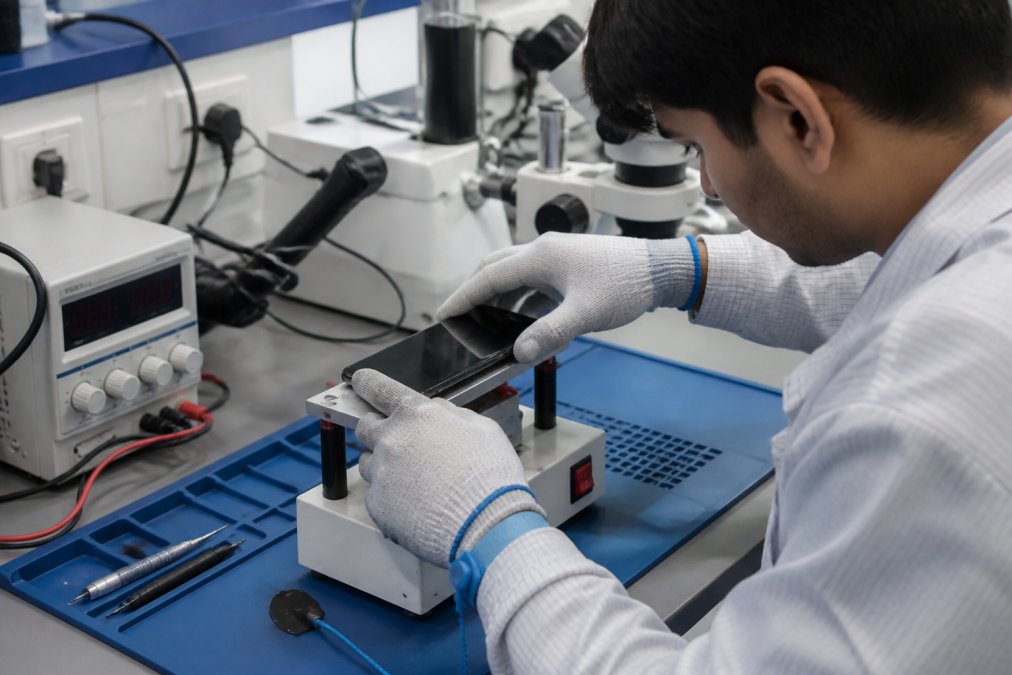
Any component that fails to meet performance thresholds is replaced with new or manufacturer-equivalent parts. This replacement standard is critical, a certified refurbished device doesn't just "work," it meets the same performance specifications as a new device leaving the factory.
Inspection Checklist: What Certified Refurbished Devices Go Through
Understanding what technicians actually check helps you evaluate quality claims. Here's the step-by-step inspection process most certified refurbishers follow:
-
Visual Inspection, Device is examined for cracks, dents, scratches, and physical damage. Cosmetic condition is documented and graded.
-
Component Verification, All ports, buttons, speakers, and physical inputs are tested for functionality and proper response.
-
Display Testing, Screen is checked for dead pixels, color accuracy, brightness levels, and touch responsiveness.
-
Battery Diagnostics, Battery capacity is measured, charge cycle count is recorded, and charging functionality is verified. Batteries below 80% capacity are typically replaced.
-
Storage Verification, Hard drive or SSD is tested for read/write speed, bad sectors, and full capacity availability. Storage is securely wiped and factory software is reinstalled.
-
Processing Power Test, CPU and RAM are stress-tested under load to verify performance matches specifications.
-
Connectivity Check, WiFi, Bluetooth, cellular (if applicable), and wired network connections are tested for proper function.
-
Audio/Video Output, Speakers, microphone, camera, and video output are tested to ensure quality and functionality.
-
Software Stability, Device runs extended burn-in tests with various applications to identify stability issues.
-
Final Documentation, Complete refurbishment history, test results, and warranty information are compiled and included with the device.
This systematic approach ensures certified refurbished electronics perform reliably in practice.
Certified Refurbished vs Used Electronics: Understanding the Difference
The gap between certified refurbished and used electronics is substantial. Both are pre-owned, but the process, assurance level, and risk profile differ dramatically.
Used electronics are typically sold as-is by private sellers or secondary marketplaces. There's no standardized inspection process, no guarantee of functionality, and minimal recourse if the device fails shortly after purchase.
Certified refurbished electronics have been professionally restored, tested against published standards, and backed by warranty coverage. The refurbisher has invested time and expertise in bringing the device to a defined quality level.
The practical differences show up immediately:
- Testing: Used devices may not have been tested at all. Certified refurbished devices pass comprehensive functional testing.
- Repairs: Used devices are sold as-is. Certified refurbished devices have defective components replaced.
- Warranty: Used devices rarely include warranty protection. Certified refurbished devices typically include 30-90 day warranties or longer.
- Documentation: Used devices have no refurbishment history. Certified refurbished devices come with detailed testing and repair documentation.
- Return Options: Used purchases often have no return window. Certified refurbished purchases typically include 14-30 day return policies.
According to TU Delft's 2023 research on refurbished electronics purchasing behavior, consumer confidence in certified refurbished products increased significantly when devices included clear testing documentation and warranty protection.
Refurbished Electronics Warranty Coverage and Protection
Warranty protection is where certified refurbished electronics shine compared to used devices. Understanding what coverage actually means in practice helps you evaluate whether a particular refurbished device offers adequate protection.
Most certified refurbished electronics come with one of three warranty structures:
Manufacturer Warranty, The original equipment manufacturer (OEM) backs the device with their standard warranty period, typically 12 months. This is the strongest protection available.
Certified Seller Warranty, The refurbisher or authorized reseller provides warranty coverage, typically 30-90 days with possible extension options.
Hybrid Warranty, Some retailers offer extended protection plans that combine the refurbisher's initial warranty with optional extended coverage for accidental damage or hardware failure.
Most warranties cover hardware defects and functional failures but exclude accidental damage, liquid damage, and normal wear. Some certified refurbished electronics include accidental damage protection, which adds significant value.
According to Alchemy and CCS Insight's 2026 consumer research, 65% of consumers surveyed said a warranty would increase their confidence in purchasing refurbished devices, while 54% cited a clear returns policy as equally important. refurbished medical equipment.
The returns policy matters as much as warranty coverage. A 30-day return window gives you time to verify the device works as described and meets your expectations. ShopVerse.life's money-back guarantee on certified refurbished electronics reflects this principle, you should have time to verify the device meets your needs before the return window closes.
Environmental Impact of Refurbished Electronics
The environmental case for certified refurbished electronics is significant. Manufacturing new electronics is resource-intensive and generates substantial carbon emissions. Refurbishing existing devices dramatically reduces environmental impact compared to new production.
Certified refurbished enterprise hardware reduces per-device embedded carbon by an estimated 60-80% versus new manufacturing, according to GreenTek Solutions' 2026 ESG IT trends analysis. This reduction comes from avoiding the energy-intensive manufacturing process, raw material extraction, and transportation associated with new device production.
E-waste represents one of the fastest-growing waste streams globally. Electronics contain valuable materials, gold, copper, rare earth elements, but also hazardous substances that contaminate soil and water when improperly disposed. By refurbishing devices instead of discarding them, we extend device lifecycles and reduce the volume of electronics entering waste streams.
Refurbished electronics require significantly less water and fewer raw materials than new manufacturing. When 48% of adults have considered refurbished tech within the past year, the collective environmental benefit of shifting even a portion of those purchases to certified refurbished becomes substantial.
This environmental benefit isn't a trade-off against quality or reliability, it's a genuine advantage of choosing refurbished.
Reliability and Hardware Performance You Can Count On
The assumption that refurbished devices are less reliable than new ones is outdated. Modern certified refurbished electronics, when properly tested and restored, perform at the same level as new devices. The testing process actually creates a reliability advantage in some cases.
Certified refurbished devices have been stress-tested in ways new devices typically aren't. The functional testing process includes extended runtime tests, thermal stress testing, and performance verification under load. A device that passes these tests has demonstrated stability under conditions that simulate real-world use.
New devices may have manufacturing defects that don't show up until weeks or months of ownership. Certified refurbished devices have already passed the period where manufacturing defects typically emerge.
According to research from Counterpoint, refurbished smartphones now represent close to 10% of the global smartphone market, with 13% growth year-over-year. This market share exists because devices perform reliably.
Battery health is a specific reliability concern worth addressing. Most certified refurbished devices include battery diagnostics and replacement if capacity falls below 80%. You're getting a battery that will perform adequately for years of typical use.
Where to Buy and What to Look For
Choosing where to buy certified refurbished electronics matters more than choosing which device to buy. The seller's refurbishment standards, warranty coverage, and customer service determine your actual experience with the device.
Authorized Retailers and OEM Programs, Buying directly from manufacturer programs (Apple Refurbished, Dell Refurbished, etc.) provides maximum assurance. These devices carry manufacturer warranties and have been refurbished to the OEM's own standards.
Certified Marketplaces, Platforms like Back Market, Amazon Renewed, and eBay Refurbished have certification programs that verify seller quality and provide buyer protection.
Specialized Refurbishers, Companies focused exclusively on refurbishment often have deeper expertise than general retailers.
Retail Partners, Established retailers like Best Buy and Micro Center sell certified refurbished electronics with their own warranty and return guarantees.
When evaluating where to buy, prioritize these factors:
- Warranty Length, Minimum 30 days, ideally 90 days or longer
- Return Policy, At least 14-day return window, 30+ days preferred
- Testing Documentation, Clear description of what was tested and what condition the device is in
- Seller Reputation, Verified ratings and customer reviews from multiple sources
- Customer Support, Accessible support channels for questions or issues
- Price Transparency, Clear pricing with no hidden fees
ShopVerse.life's curated selection of certified refurbished electronics combines these elements, verified quality, 100% secure payment, fast shipping, and dedicated support. Rather than sorting through thousands of listings, you're browsing pre-vetted devices that meet defined quality standards.
When shopping for certified refurbished electronics, verify that the seller explicitly states "certified refurbished" rather than just "refurbished" or "used." Ask for documentation of testing performed, warranty details in writing, and clarity on return policies before purchase.
Nearly half of adults have considered refurbished tech within the past year, yet many still hesitate due to uncertainty about quality and support. The gap between consumer intent and actual purchases reveals a simple truth: people want certified refurbished electronics, but they need assurance. That's where quality sellers make the difference. At ShopVerse.life, we've curated a selection of certified refurbished devices that meet rigorous testing standards, backed by clear warranties and our money-back guarantee. Shop with confidence knowing each device has been professionally restored and verified to perform like new.
Frequently Asked Questions
Is it worth buying certified refurbished electronics?
Yes, especially if cost savings and reliability matter to you. Certified refurbished electronics typically cost 30-60% less than new devices while offering functional testing, quality assurance, and manufacturer or third-party warranties. Nearly half of US adults have considered refurbished tech in the past year, with affordability and environmental benefits driving their interest. The key is purchasing from reputable sellers who provide clear warranty terms and return policies, 65% of consumers say a warranty increases their confidence in the purchase.
What is the difference between used and certified refurbished electronics?
Used electronics are sold as-is from one consumer to another, often with no testing, warranty, or quality guarantee. Certified refurbished electronics undergo rigorous inspection, functional testing, component replacement where needed, cosmetic grading, and come with a defined warranty from the seller or manufacturer. Certified refurbished devices have been restored to a specific quality standard, while used devices may have hidden defects or unknown history. This certification is what separates a risky purchase from a protected one.
Are refurbished electronics covered by a warranty?
Most certified refurbished electronics include a warranty, though the length varies. Typical coverage ranges from 30 to 90 days, though some sellers and OEMs offer longer protection. A warranty on refurbished electronics is crucial, it covers defects and provides recourse if the device fails. When shopping, always verify the warranty period, what it covers (hardware defects, battery issues, etc.), and the return window. Many sellers also offer extended warranty options for additional peace of mind.
How does buying refurbished electronics help the environment?
Certified refurbished electronics reduce e-waste and lower your environmental footprint significantly. Manufacturing new devices generates substantial carbon emissions and requires raw materials extraction. Refurbished devices cut embedded carbon by an estimated 60-80% compared to new manufacturing, while also keeping functional electronics out of landfills. By choosing refurbished, you support the IT asset lifecycle and reduce demand for new production, contributing to sustainability goals without sacrificing quality or performance.
This article was written using GrandRanker