

How to Make Your Home Energy Efficient: 7 Steps
Table of Contents
- Why Home Energy Efficiency Matters Now
- Step 1: Seal Air Leaks and Improve Your Thermal Envelope
- Step 2: Conduct a DIY Home Energy Audit
- Step 3: Upgrade Insulation and Weatherstripping
- Step 4: Optimize HVAC Efficiency and Install a Smart Thermostat
- Step 5: Switch to LED Lighting and Reduce Phantom Load
- Step 6: Upgrade Water Heating and Appliances
- How to Reduce Your Electric Bill With Best Energy Efficient Home Gadgets
Last Updated: August 30, 2026
Why Home Energy Efficiency Matters Now
The average household spends $2,000 per year on energy bills, yet most homes waste significant energy through inefficient systems and poor insulation. According to the Energy Information Administration, heating and cooling account for 45% of residential energy use, making this the single biggest opportunity for savings. What's striking is that 84% of recent homebuyers said energy efficiency was very or moderately important in their home purchase decisions, yet many existing homeowners haven't taken action. The gap between intention and implementation is where real savings hide.
At ShopVerse.life, we've analyzed how to make your home energy efficient and compiled this guide to help you prioritize upgrades based on impact and budget. Energy costs are rising, and one-third of all households now struggle with energy affordability. Whether you're motivated by lower utility bills, increased home resale value, or reducing your carbon footprint, the strategies below deliver measurable results. Homes that receive energy upgrades see reduced default rates of over 30 percent, indicating that efficiency improvements protect your financial health long-term (imt.org).
The best part: you don't need to overhaul everything at once. Strategic, sequenced improvements deliver better returns than scattered efforts. This guide walks you through seven actionable steps to make your home energy efficient, from quick wins to longer-term investments.
Step 1: Seal Air Leaks and Improve Your Thermal Envelope
Air leaks are your thermal envelope's enemy. Gaps around windows, doors, electrical outlets, and ductwork let conditioned air escape, forcing your HVAC system to work harder. The EPA estimates that homeowners can save an average of 15% on heating and cooling costs, or about 11% on total home energy costs, by air sealing their homes and adding insulation.
Start with a visual inspection on a windy day. Feel for drafts around window frames, door seals, and where utilities enter the home. Use caulk for small gaps (less than one-quarter inch) and weatherstripping for moving parts like door frames. For larger gaps, spray foam works well but requires careful application to avoid over-expansion.
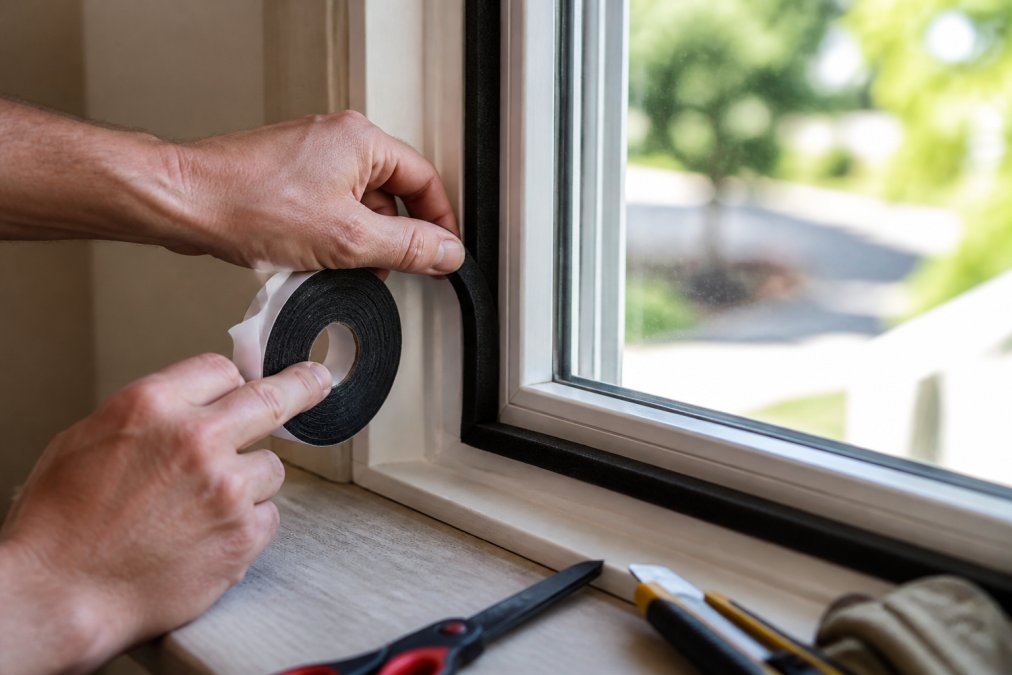
Sealing air leaks is one of the fastest, lowest-cost ways to improve thermal performance. Most homeowners complete this work in a weekend and see immediate results on their next utility bill. The thermal envelope, the boundary between conditioned and unconditioned space, is where energy loss happens fastest. Tight sealing reduces that loss dramatically.
Step 2: Conduct a DIY Home Energy Audit
An energy audit reveals where your home loses energy. You don't need a professional (though certified auditors provide detailed reports). A DIY audit takes two to three hours and identifies your biggest opportunities.
Start by reviewing your utility bills from the past two years. Look for seasonal spikes and year-over-year changes. High heating bills in winter or cooling bills in summer pinpoint where your HVAC system struggles. Next, inspect your attic. A properly insulated attic can reduce your energy bill by 10% to 50%, making it your highest-impact upgrade zone. Check for gaps in insulation, air leaks around penetrations, and signs of moisture or pest damage.
Walk through your home and note all air leaks visually: gaps around baseboards, cracks in caulk, weatherstripping that's compressed or missing. List major appliances and their ages, older units consume far more energy than modern, efficient models. Check your water heater temperature setting (120°F is standard and efficient). Document all lighting types: incandescent, fluorescent, or LED.
Create a simple spreadsheet with findings and estimated ages of systems. This becomes your roadmap for prioritizing upgrades. Focus first on the highest-impact items: air sealing, insulation, HVAC efficiency, and appliance replacement.
Step 3: Upgrade Insulation and Weatherstripping
Insulation slows heat transfer through walls, attics, and basements. R-value measures insulation's thermal resistance, higher R-values mean better performance. Attic insulation should be R-38 to R-60 depending on your climate. Wall insulation typically runs R-13 to R-21. Basement or crawl space insulation ranges from R-10 to R-30.
Attic insulation is the easiest and most cost-effective upgrade. You can add blown-in cellulose or fiberglass over existing insulation without removing old material. This work takes a day and delivers immediate energy savings. If your attic insulation is visibly thin (you can see the joist tops), it's definitely under-insulated.
Weatherstripping seals gaps around doors and operable windows. Standard foam tape costs a few dollars per door and lasts three to five years. Adhesive-backed rubber or silicone strips work well for most applications. Replace weatherstripping when it becomes compressed, cracked, or no longer seals tightly.
Wall insulation is harder to upgrade in existing homes without opening walls. If you're planning renovations or have walls open for other reasons, add insulation then. For new construction or major retrofits, spray foam or rigid foam board provides excellent performance and air sealing in one step.
| Insulation Type | R-Value per Inch | Cost per sq ft | Installation Difficulty |
|---|---|---|---|
| Fiberglass batts | 3.2-3.8 | $0.30-$0.50 | Easy |
| Blown-in cellulose | 3.2-3.8 | $0.40-$0.70 | Easy |
| Spray foam (open-cell) | 3.5-3.6 | $1.00-$1.50 | Professional |
| Rigid foam board | 4.0-6.5 | $0.50-$1.50 | Moderate |
Step 4: Optimize HVAC Efficiency and Install a Smart Thermostat
Nearly one in five homeowners are planning HVAC upgrades in 2026, driven by energy efficiency and return on investment. Your heating and cooling system is your home's largest energy consumer. Maintaining it properly extends its life and keeps it running efficiently.
Schedule annual HVAC maintenance: filter changes, refrigerant checks, and ductwork inspection. A clean filter improves airflow and efficiency. Leaky ducts waste conditioned air before it reaches your rooms. Seal visible duct leaks with mastic sealant or metallic tape.
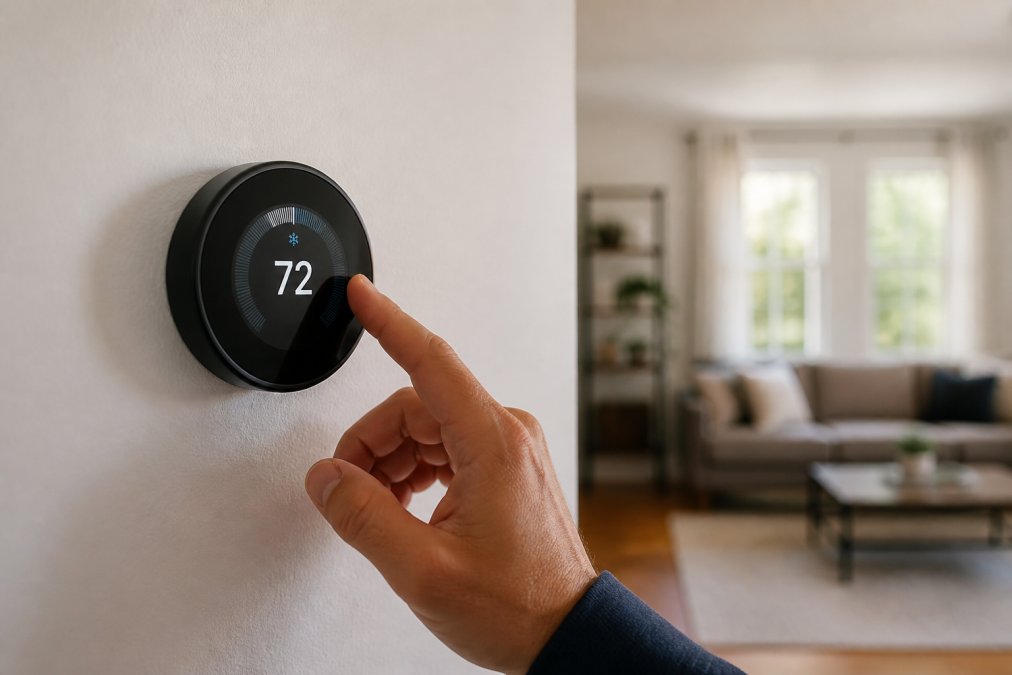
A smart thermostat learns your schedule and adjusts temperature automatically, reducing energy waste when you're away or asleep. Modern heat pumps deliver two to three times more heat per unit of energy than typical gas furnaces. If your furnace is over 15 years old, replacement with a high-efficiency model (AFUE 95% or higher) cuts heating costs significantly.
Smart thermostats cost $150-$300 installed and pay for themselves within two years through reduced heating and cooling costs. They integrate with your phone, let you adjust temperature remotely, and provide detailed energy reports. This visibility alone often motivates behavioral changes that save additional energy.
Step 5: Switch to LED Lighting and Reduce Phantom Load
LED bulbs use about 90% less energy and last 25 times longer than incandescent bulbs, saving the average household about $225 per year (energy.gov). This is one of the easiest, fastest upgrades. Replace incandescent and CFL bulbs with LEDs throughout your home. LEDs produce less heat, run cooler, and fit standard fixtures without modification.
Phantom load (also called standby power) drains energy from devices in standby mode: televisions, computer monitors, printers, chargers, and entertainment systems. These devices consume 5-10% of residential electricity. Unplug devices when not in use or use power strips to cut phantom load entirely.
Smart power strips turn off outlets automatically when devices enter standby, eliminating phantom drain without manual unplugging. Motion-sensor lighting in bathrooms and closets prevents lights from running when rooms are empty. Dimmer switches reduce energy use when full brightness isn't needed.
The cumulative effect of these changes is substantial. Lighting alone accounts for roughly 10-15% of home energy use. Cutting that in half through LEDs and smart controls delivers noticeable bill reductions.
Step 6: Upgrade Water Heating and Appliances
Water heating is the second-largest energy consumer in most homes. Lower your water heater temperature from 140°F to 120°F. This simple adjustment saves energy and prevents scalding. Insulate hot water pipes to reduce heat loss as water travels from heater to fixtures.
Older appliances (refrigerators, washers, dryers, dishwashers over 10 years old) consume significantly more energy than modern ENERGY STAR models. Replacement isn't always necessary immediately, but when appliances fail, choose ENERGY STAR certified models. These units use 10-50% less energy and water than standard models, with payback periods of three to seven years.
Tankless water heaters heat water on-demand rather than maintaining a tank at temperature continuously. They reduce energy use by 24-34% for most households. Heat pump water heaters are even more efficient, using 50% less energy than standard electric heaters. Both options cost more upfront but deliver strong long-term savings.
For washing machines, cold water cycles save energy and work well for most loads. Modern cold-water detergents are formulated to clean effectively at low temperatures. This single behavioral change reduces water heating energy by 15-20%.
How to Reduce Your Electric Bill With Best Energy Efficient Home Gadgets
Smart home gadgets amplify your energy savings by automating controls and providing real-time feedback. ShopVerse.life curates a selection of energy-efficient home gadgets that integrate into your daily routine without complexity. The right tools make efficiency effortless, turning one-time upgrades into sustained habits.
Smart LED Wall Sconces for Targeted Lighting
Directional lighting reduces the need for bright overhead fixtures. Wall sconces provide ambient light where you need it, cutting overall lighting energy use. Modern LED sconces from ShopVerse.life combine efficiency with design, offering 1pc/2pc modern gold/black LED acrylic wall sconce for lustre living room back wall, bedroom bedside home decor lighting at $61.86. These fixtures use LED technology to deliver warm, focused light while consuming minimal energy.

Wall sconces replace harsh overhead lighting in bedrooms, hallways, and living areas. They create ambiance while reducing phantom load from multiple light sources. Install them on dimmer switches for additional control over energy consumption and mood lighting.
Rechargeable Smart Wall Lamps
Wireless, rechargeable wall lamps eliminate the need for hardwired fixtures and reduce standby power consumption. The Magnetic Rechargeable 50 Wall Lamp Black Gold For Living Room Bedroom Hallway Study Stairwell Cloakroom LED Lighting Wiring Free at $52.98 offers flexibility and efficiency. These lamps mount magnetically, recharge via USB, and provide hours of light per charge. They're ideal for renters or anyone avoiding permanent installation.

Rechargeable lamps eliminate phantom load entirely because they're not plugged in continuously. They're portable, allowing you to move lighting where needed rather than relying on fixed overhead fixtures. This flexibility reduces overall lighting energy consumption.
Decorative LED Accent Lighting
Accent lighting creates atmosphere without consuming significant energy. The 144 LED USB Wall Decoration Lights Willow Vine Branch Lights Warm White Light for Room Kitchen Wedding Christmas Halloween Decor at $44.02 provides warm ambiance with minimal power draw. LED string lights consume a fraction of the energy of traditional incandescent decorative lighting.
These fixtures serve dual purposes: they reduce the need for bright overhead lighting while adding visual appeal. Warm white LEDs create a cozy environment that encourages relaxation and reduces the urge to add additional lighting layers.
Smart Wake-Up Light and Sleep Optimization
Sleep quality affects energy behavior. The Wake Up Light Sunrise Alarm Clock White Noise Sound Machine Bluetooth Speaker Color Changing Night Lights for Bedroom Ideal Gift at $51.54 uses gradual light and sound to wake you naturally, reducing the need for bright bedroom lighting in the morning. Gentle wake-up cycles promote better sleep and morning routines that support energy-efficient behaviors.

This device consolidates multiple functions (alarm, light, sound machine, night light) into one unit, reducing phantom load from multiple bedside devices. Better sleep correlates with more conscious energy decisions throughout the day. Homeowners who sleep well are more likely to maintain efficient habits and avoid energy-wasting behaviors.
Making your home energy efficient doesn't require perfection or massive upfront investment. Start with air sealing and insulation, they deliver the highest returns on investment. Conduct a simple audit to identify your biggest energy drains. Upgrade HVAC systems and thermostats to automate efficiency. Switch to LEDs and reduce phantom load through smart power management. Replace aging appliances with ENERGY STAR models. Layer in smart home gadgets from ShopVerse.life to make efficiency convenient and automatic.
The federal HOMES program offers up to $8,000 for home retrofits, and the HEAR program provides up to $14,000 in point-of-sale appliance rebates for households under 150% of the Area Median Income. These incentives stack with state and utility rebates, significantly reducing your out-of-pocket costs. Research available programs in your area before purchasing upgrades.
Energy efficiency investments pay dividends for decades. Lower utility bills start immediately. Improved home comfort and resale value follow. A home energy efficient by modern standards commands 2.7% higher resale prices, with better-rated homes selling for 3-5% more. Your effort today becomes your home's competitive advantage tomorrow.
Shop all energy-efficient home gadgets at ShopVerse.life and discover how to make your home energy efficient with curated, high-quality products designed to reduce consumption and elevate your daily life. Our carefully selected collection of smart lighting, thermostats, and efficiency tools makes sustainability effortless.
=== FAQ ANSWERS (audit these too, same rules) ===
[1] Q: What's the fastest way to reduce my electric bill without major renovations? A: Switching to LED bulbs and sealing air leaks deliver the quickest wins. LED bulbs use about 90% less energy than incandescent bulbs and save the average household about $225 per year. Air sealing and adding insulation can reduce heating and cooling costs by 15%, cutting your total home energy bill by roughly 11%. These changes require minimal upfront investment and deliver results immediately.
[2] Q: How do I perform a DIY home energy audit to identify where I'm wasting energy? A: Start by checking for visible air leaks around windows, doors, and electrical outlets using a lit candle or incense, the flame will flicker if air is escaping. Feel for drafts with your hand, inspect weatherstripping for gaps, and look for daylight around frames. Check your attic insulation depth (should be at least 10-14 inches). Review your utility bills for seasonal spikes. Many utilities offer free or low-cost professional audits, but a DIY inspection reveals obvious problems like missing caulk, damaged weatherstripping, and inadequate insulation that cost little to fix.
[3] Q: Which home energy upgrades offer the best return on investment? A: Air sealing, insulation improvements, and HVAC upgrades typically offer the strongest ROI. A properly insulated attic can reduce your energy bill by 10% to 50%, depending on current conditions. Energy-efficient homes sell for 2.7% more than unrated homes, and better-rated homes command 3% to 5% premiums. HVAC upgrades appeal to 19% of homeowners planning renovations in 2026, driven by efficiency and ROI expectations. Start with the lowest-cost, highest-impact projects, weatherstripping and caulking, before investing in major system replacements.
[4] Q: What federal incentives are available to help pay for energy efficiency improvements? A: The federal HOMES program offers up to $8,000 for home retrofits, and the HEAR program provides up to $14,000 in point-of-sale appliance rebates for households under 150% of the Area Median Income. These can be stacked with state and utility rebates to maximize savings. Check your state and local utility websites for additional rebate opportunities specific to your region.
Frequently Asked Questions
Q: What's the fastest way to reduce my electric bill without major renovations?
A: Switching to LED bulbs and sealing air leaks deliver the quickest wins. LED bulbs use about 90% less energy than incandescent bulbs and save the average household about $225 per year. Air sealing and adding insulation can reduce heating and cooling costs by 15%, cutting your total home energy bill by roughly 11%. These changes require minimal upfront investment and deliver results immediately.
Q: How do I perform a DIY home energy audit to identify where I'm wasting energy?
A: Start by checking for visible air leaks around windows, doors, and electrical outlets using a lit candle or incense, the flame will flicker if air is escaping. Feel for drafts with your hand, inspect weatherstripping for gaps, and look for daylight around frames. Check your attic insulation depth (should be at least 10-14 inches). Review your utility bills for seasonal spikes. Many utilities offer free or low-cost professional audits, but a DIY inspection reveals obvious problems like missing caulk, damaged weatherstripping, and inadequate insulation that cost little to fix.
Q: Which home energy upgrades offer the best return on investment?
A: Air sealing, insulation improvements, and HVAC upgrades typically offer the strongest ROI. A properly insulated attic can reduce your energy bill by 10% to 50%, depending on current conditions. Energy-efficient homes sell for 2.7% more than unrated homes, and better-rated homes command 3% to 5% premiums. HVAC upgrades appeal to 19% of homeowners planning renovations in 2026, driven by efficiency and ROI expectations. Start with the lowest-cost, highest-impact projects, weatherstripping and caulking, before investing in major system replacements.
Q: What federal incentives are available to help pay for energy efficiency improvements?
A: The federal HOMES program offers up to $8,000 for home retrofits, and the HEAR program provides up to $14,000 in point-of-sale appliance rebates for households under 150% of the Area Median Income. These can be stacked with state and utility rebates to maximize savings. Check your state and local utility websites for additional rebate opportunities specific to your region.
This article was written using GrandRanker